Categories
Research-based Courses

Recommend a Purchase: The Princeton Wish List

The Princeton University Library system features over six million unique titles. So when you discover a book not already in the system, you know you’ve found a niche topic.

This semester, I’m taking a course called “Modern India: History and Political Theory” taught by Visiting Professor Sunil Khilnani. In the course, we examine primary sources from the major actors in the Indian nationalist movement.

Recommending a book purchase is as easy as online shopping!

Interested in indigenous politics in India, I asked Professor Khilnani if I could write my midterm paper on the Adivasi (Indian tribal societies) role in Independence – even though we haven’t addressed this topic in class. He suggested I focus on Jaipal Singh, a major twentieth-century Adivasi activist, and sent me a list of primary and secondary sources to consider. Specifically, he recommended using the recently published collection of Singh’s speeches and writings, Adivasidom.

Categories
The Writing Process

How to Take a Productive Break

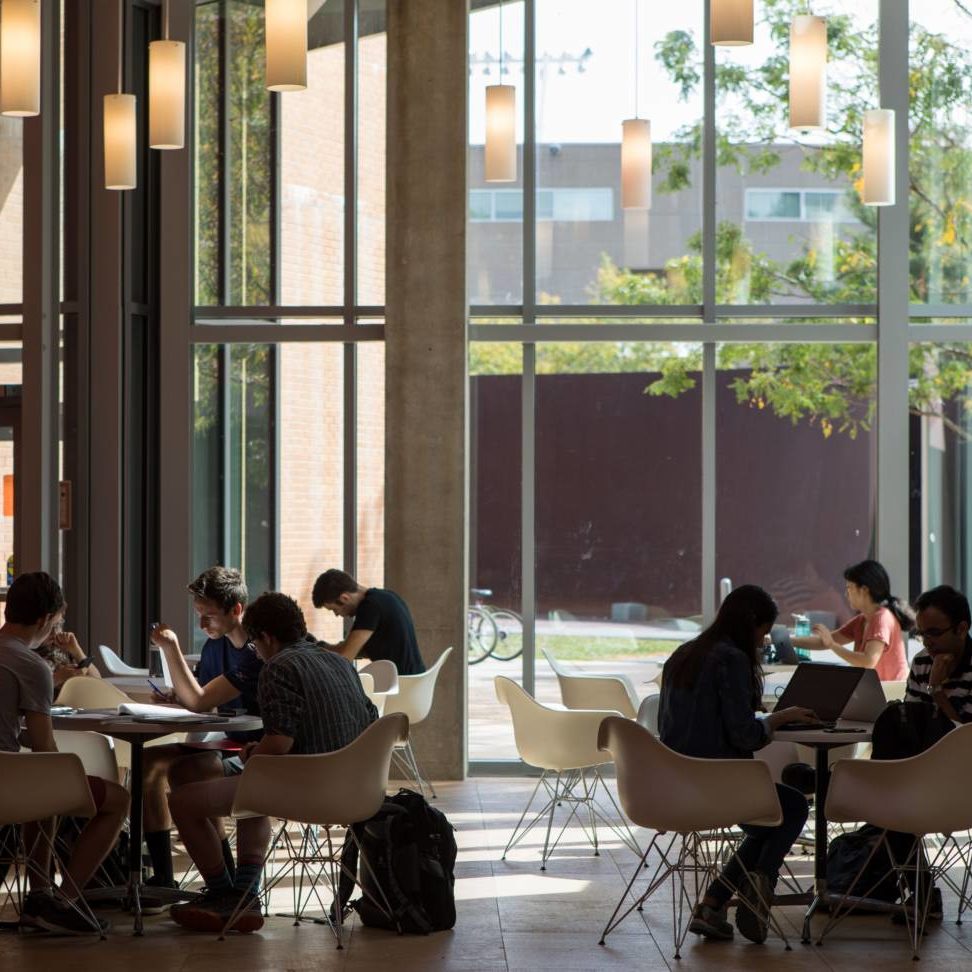
Students studying in the lobby of Lewis Library

Every exam period, I find myself starting to withdraw from any non-mandatory activities or commitments. While this may seem like a good idea—after all, I need to make time to study in my already full schedule—it has oftentimes proven to be counterproductive. While I do get time back from skipping other activities, more often than not, I actually squander most of that time being stressed instead of using it in a productive way. This is the result of a combination of incorrect assumptions on my part.

Categories
Senior Thesis

How to Manage Your Research Tasks: Learning How to Use Trello

I’ve gotten to the point with my thesis at which I’m both writing new content and struggling to edit the ever-expanding volume of work I’ve already written. At times, this seems like an insurmountable task. How am I supposed to finish editing my literature review while also doing the data collection and drafting of my main chapters of my thesis?

The Trello Logo
Categories
PCUR News

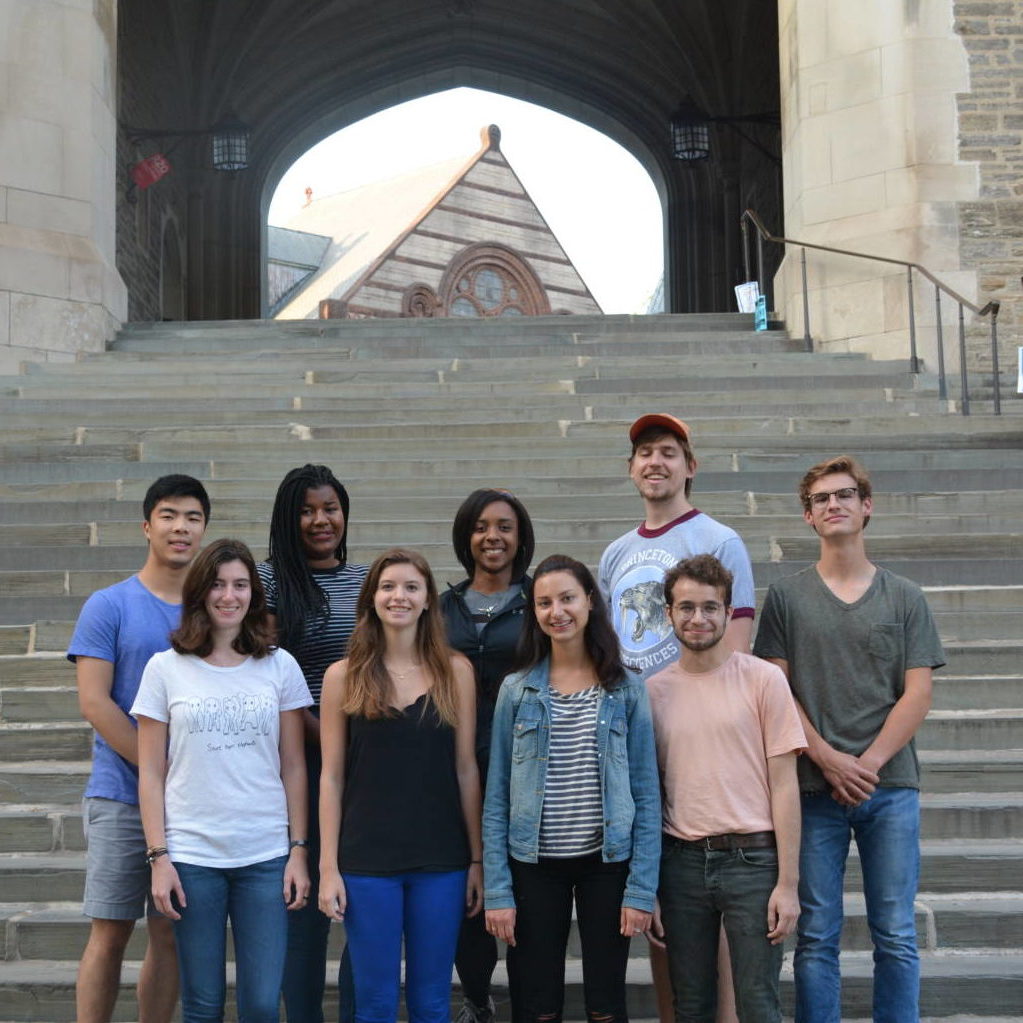
Apply to Write for PCUR! Everyone is a Researcher

Apply to be a part of PCUR’s amazing team of correspondents!

As we return from Spring Break, we enter the homestretch of the year, but also one of the busiest times. It’s a time to finish up all of the endeavors we’ve taken on throughout the year—whether it be your R3 from writing sem, your JP, or your senior thesis—and it also a time to begin looking ahead to possibilities for next year. Well, here’s an opportunity you will want to consider! PCUR is looking to hire new correspondents for the 2018-2019 academic year with research interests ranging from social sciences, to engineering, to humanities, and natural sciences.

Now, you may be thinking, “I don’t really do research…” This was my initial thought as well when I first learned about this opportunity in the Spring semester of my freshman year. In fact, I reflected on this concerned that I didn’t have any research experience in the sample post I submitted with my PCUR application. I’d like to share a few excerpts from that post here, and hopefully you’ll come to the same conclusions that I did—every undergraduate at Princeton is a researcher and PCUR is a great way to become more involved in Princeton’s vibrant research culture and encourage others to do the same.

Categories
Human or Animal Subject Research Junior Paper (JP) Senior Thesis

Navigating the IRB: A Few Quick Tips on the Submission Form

eRIA is the system the IRB uses!

Independent research at Princeton has given several students the opportunity to conduct exciting new studies, including traveling to other countries in order to get first-hand experience engaging in other cultures. Just a few months ago, I even flew out to Los Angeles to interview television producers for my thesis. While the opportunity to meet new people and learn about their life-stories is undoubtedly a transformative experience, these types of projects wouldn’t be possible without one particular group’s approval: the IRB.

To conduct any research that involves human subjects, Princeton’s Institutional Review Board (IRB) has to review your study in order to ensure the safety of the participants. For instance, if a study involves at-risk individuals (e.g. children or prisoners) the IRB will need to check the parameters of the study in order to make sure no one gets hurt or feels coerced into participating. But with 15 sections worth of information to fill out, the IRB form can be quite intimidating to go through–it even scared me away from including human subjects in my junior paper! But after some encouragement from my adviser, I partnered with a fellow SOC major and worked through the seemingly endless document. 

Having completed the process, here are a few tips that I think will make the form easier to navigate:

Categories
Research-based Courses

What I Learned from Reading Foucault’s Early Work

Until recently, I hadn’t reflected on the fact that what we read for class is carefully curated. As we all know, our professors dedicate immense amounts of time to selecting and refining the list of readings for our courses. Ideally, these readings reflect the essential sources on a particular subject. However, as with any selection process, the developing syllabus is filtered through certain ideological and methodological biases, not to mention the practical constraints of the course.

In my experience, professors tend to be transparent with their students about this curatorial process. In class, we often discuss why certain scholars were selected over others, and receive recommendations for further reading. Yet, I don’t often reflect on these selected works of scholarship in the context of their authors’ personal intellectual evolution.

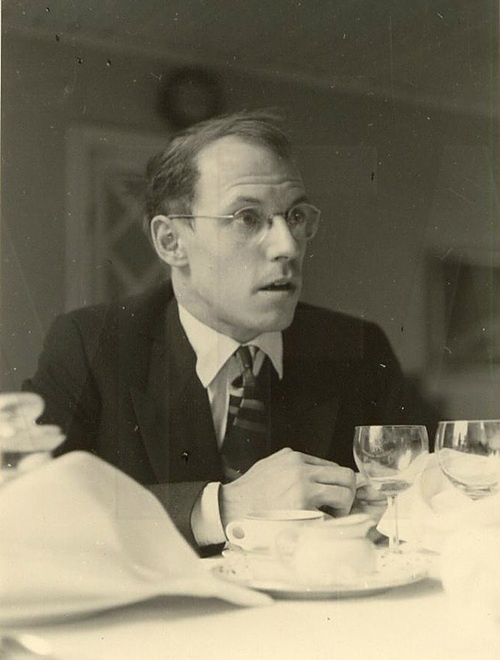
A young Michel Foucault

When selecting secondary sources, professors typically choose a scholar’s most established works and arguments. With such limited time to cover material, our semesters only have space for “greatest hits.” These works tend to articulate coherent ideas, argue something new and critically important, and reflect a consistent methodology. Often, they’re masterpieces of scholarship.

Categories
Research-based Courses The Writing Process

How to Write a History Research Paper

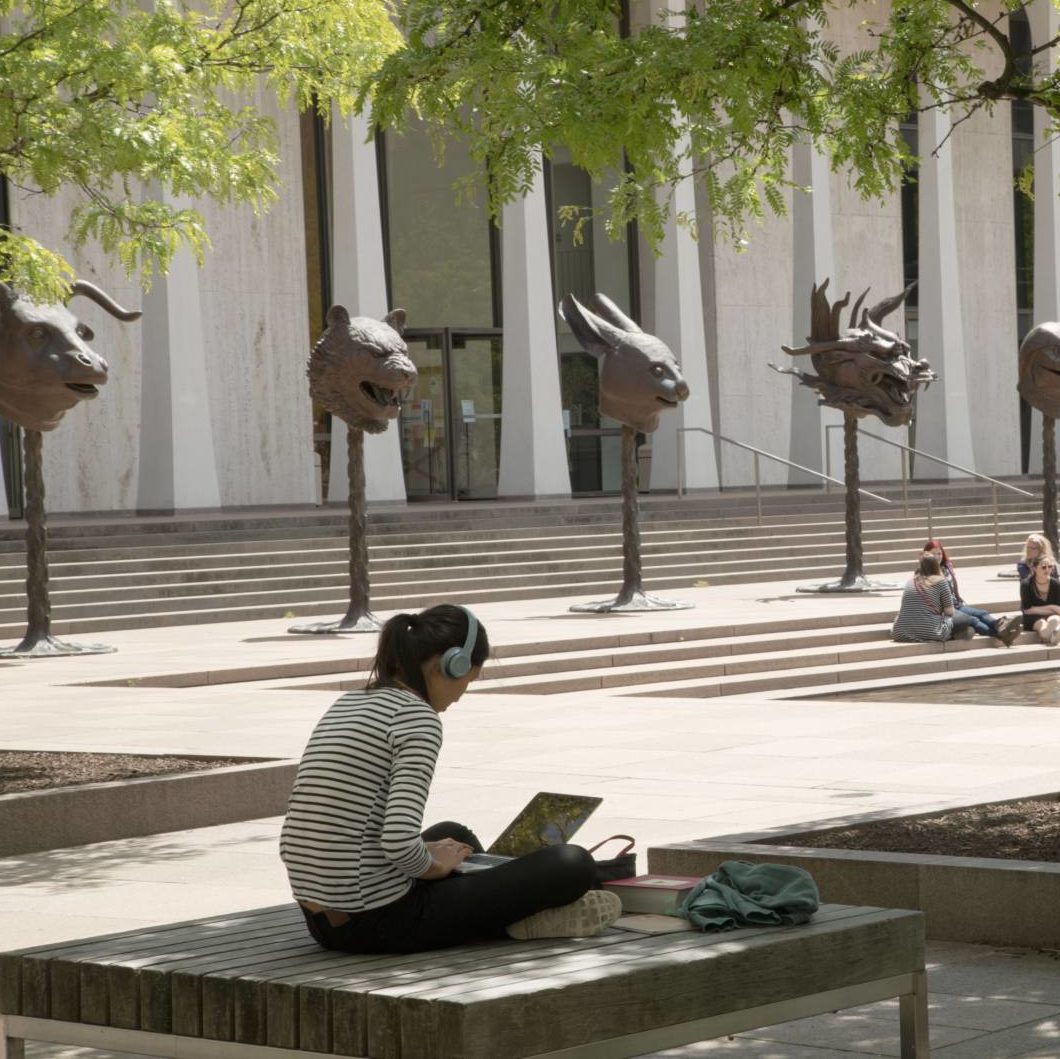
When writing a history research paper, the right approach is key. Sitting outside, like the above student, may be helpful, but also consider heading to a library for a more focused atmosphere–and larger tables to spread out your notes!

In my last post, I shared some tips on how to conduct research in history and emphasized that researchers should keep in mind a source’s category (transcript, court document, speech, etc.). This post is something of a sequel to that, as I will share some thoughts on what often follows primary-source research: a history research paper. 

Categories
Junior Paper (JP) Senior Thesis

Subject Librarians: The Research Experts You Need to Know

If you are a Princeton student, chances are you’ve spent some time at one or more of the University’s many libraries. You’ve probably also checked out books and may have relied on a librarian to help you navigate the ever-confusing maze of stacks. These are roles we typically associate with Princeton librarians, but they are by no means exhaustive representations of what these experts have to offer. What many students don’t know is that subject librarians are the hidden gems of Princeton academic resources. Librarians have helped me tackle difficult independent research projects, and you can take advantage of their incredible expertise too.

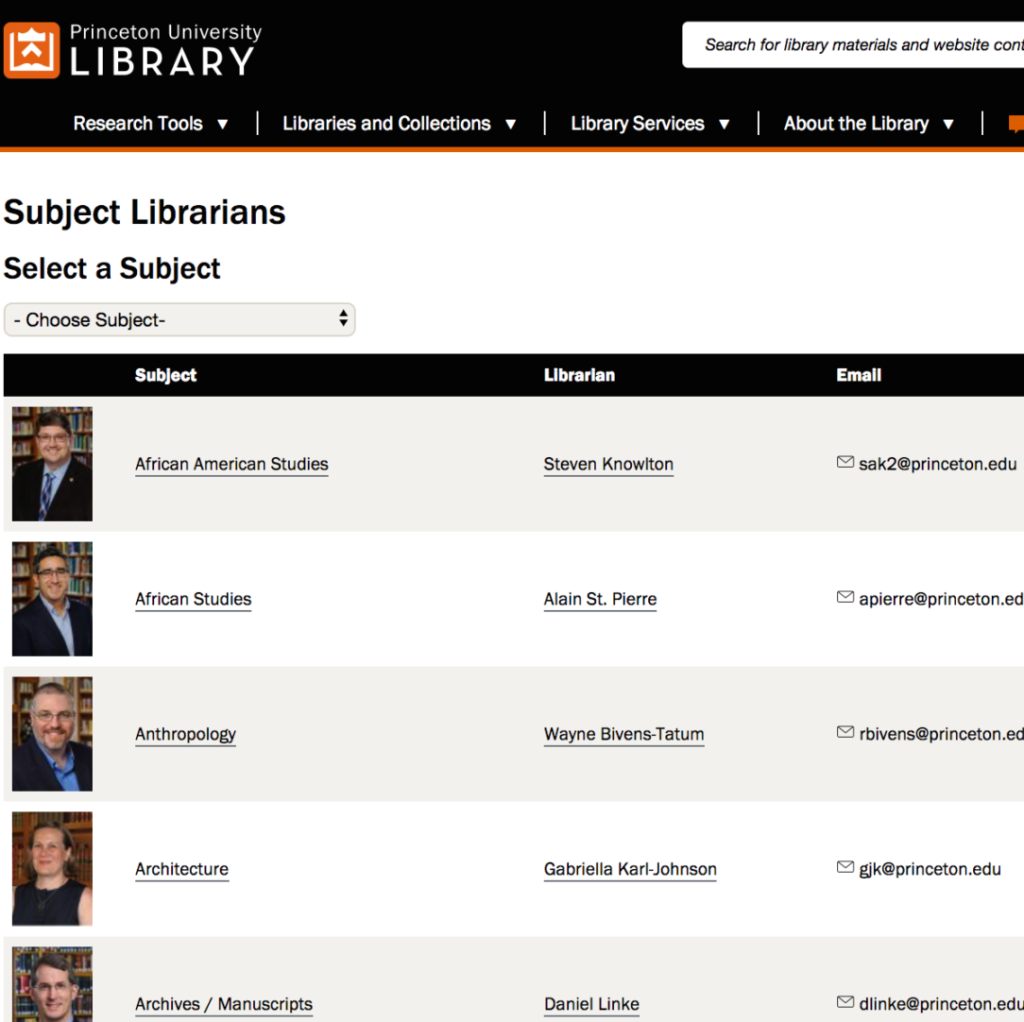
Use the search tool on the University’s website to find the subject librarian for your field of interest.
Categories
The Writing Process

Unconventional Research: World Building in Creative Writing

When one thinks about research, there are certain images that come to mind: a student hunched over an old book in an empty library, or a solitary scientist in a lab coat mixing chemicals or observing animals. Emily McLean ’20 has done her fair share of the first type, as a potential Anthropology major with a strong interest in American History.

Emily is also my suitemate, and one day I heard her talking about an unfamiliar, unexpected genre of research: the research required for successful world building–the creation of a believable reality–in creative writing.

Categories
Senior Thesis

Discussing Undergraduate Research with Chloe Angyal ’09

Chloe Angyal, Class of 2009

Chloe Angyal graduated from Princeton in 2009 with a degree in Sociology. Originally from Sydney, Australia, she’s now a journalist in New York City, working as the Deputy Opinion Editor at HuffPost where she writes about politics, popular culture, and gender. But before Chloe became who she is today, she had to write a senior thesis. Lucky for us, she had some time in her busy schedule to talk about her experience with independent research: