Tag: research resources

  • Navigating Research with Disability: An Interview with ODS

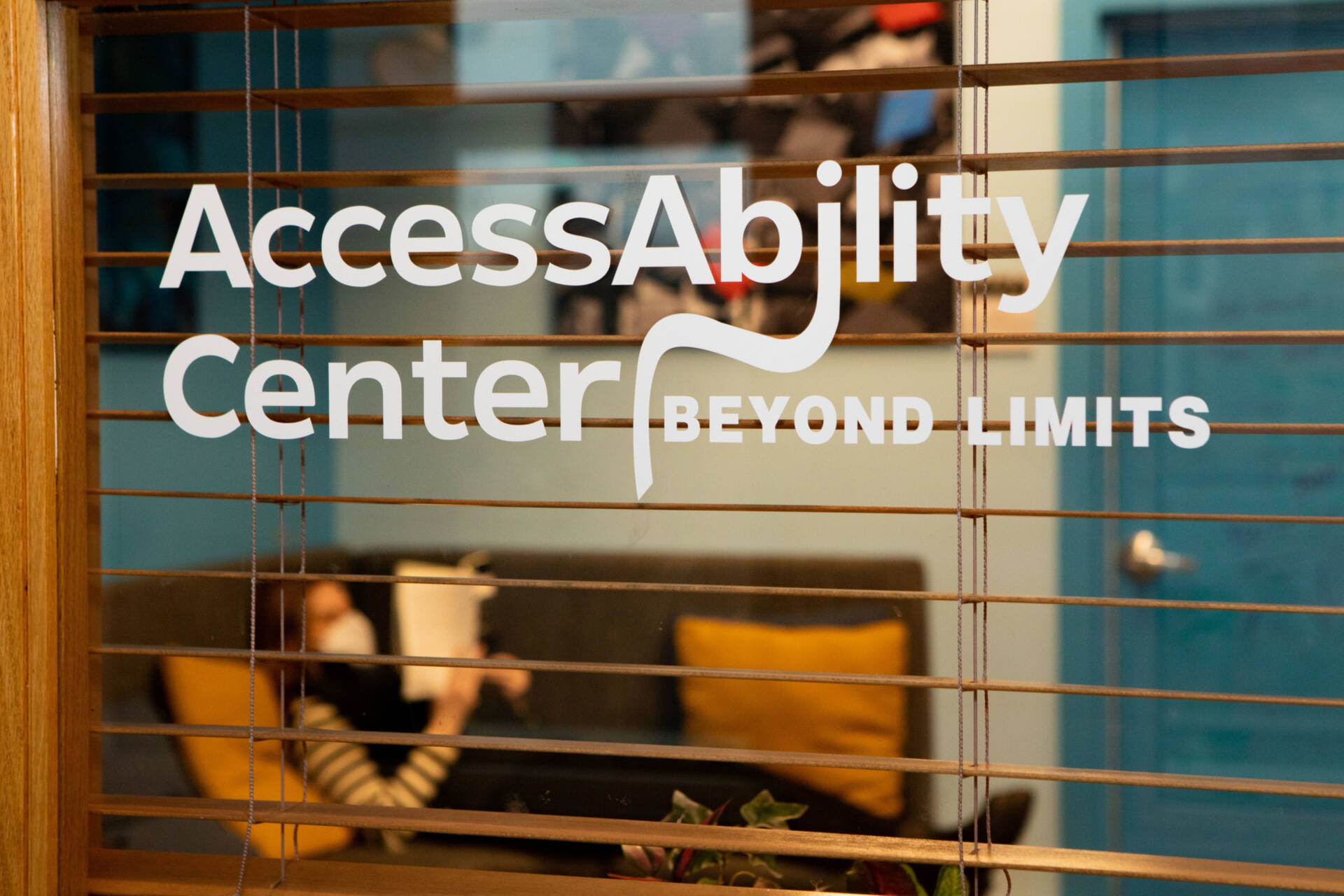
    A photo of the AccessAbility Center in Frist Campus Center, with text reading "AccessAbility Center: Beyond Limits."
    The Office of Disability Services’ AccessAbility Center in Frist Campus Center. Photo Credit: Denise Applewhite.

    I have a physical disability, and when I entered Princeton, independent research was something that really daunted me. I have been surprised to find that independent research has been very accessible to me because of the flexibility and control it has given me over my work. Two years ago, I started an archival research project right after a surgery, which put increased limits on my ability. Since the project was self-managed, I was able to schedule archival research appointments around physical therapy appointments. I also received simple accommodations in the archive, like archivists moving boxes for me to support my limitations post-surgery.

    That said, disability is diverse, as are research methodologies. Accommodations and approaches to research look different based on the kind of disability you have and the kinds of questions you want to answer. I spoke with Asha Nambiar, the director of Princeton’s Office of Disability Services (ODS), to gather advice on getting involved with research as a student with a disability.

    (more…)

  • Beyond the Orange Bubble: A Guide to Thesis Research Abroad

    Traveling for research abroad
    Leaving the Orange Bubble

    One of the greatest benefits of being a Princeton student is the unparalleled access to international opportunities. Whether it’s traveling for classes and clubs, completing an IIP (International Internship Program), doing fieldwork through HMEI (High Meadows Environmental Institute), taking a Global Seminar course through PIIRS (Princeton Institute for International and Regional Studies), or participating in Princeton’s many language programs abroad, many students find ways to leave the Orange Bubble—literally. To become better-informed global citizens, it is important not only to study the world from Princeton, but also to spend time in the world beyond Princeton.

    One powerful way to do this is by conducting research abroad. When I was a junior preparing for my senior thesis, I knew I wanted to incorporate an international dimension into my work and, if possible, travel over winter break of senior year. Although I had been fortunate to travel domestically through Princeton, I hadn’t yet taken advantage of any study or research opportunities abroad. Winter break of senior year is one of the last, and most popular, chances to do so. Princeton has a wide range of thesis funding sources, which makes it very possible to take your research to an international site.

    (more…)
  • Making the Most of Conferences

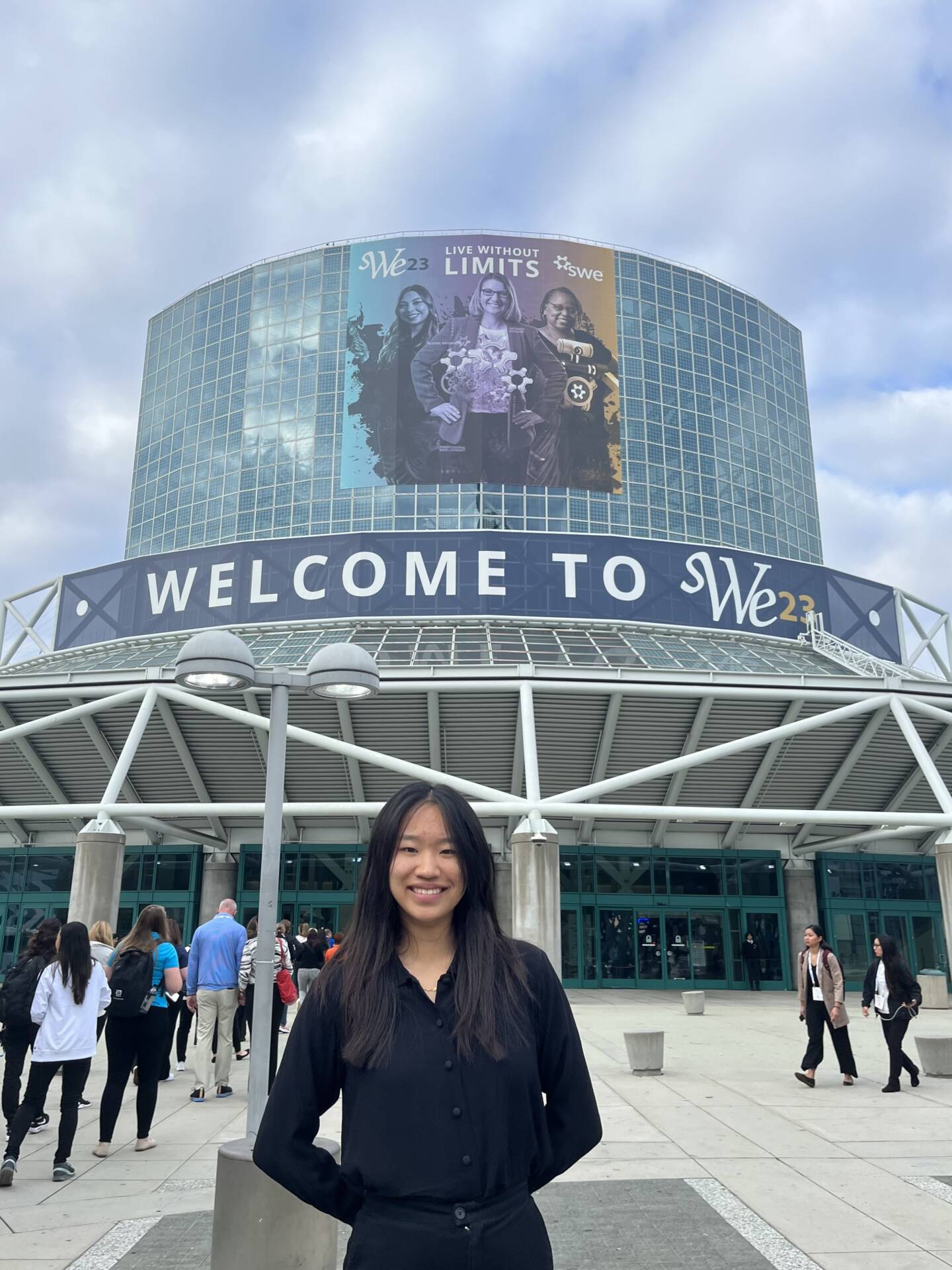
    Showing a photo of the conference
    “Welcome to SWE23” sign at the Annual Society of Women Engineers National Conference

    When I attended my first conference, I was overwhelmed by the number of events—from keynote speakers and lightning talks, to career fairs and research presentations. Over time, through attending several conferences, I learned how to navigate these spaces strategically and make the most of the few days I had at each one. Conferences are an opportunity to connect your academic interests to real-world communities and open doors for future opportunities. From resume databases to poster sessions, conferences can open doors to new research and career opportunities. 

    (more…)
  • Facilitating a Research Discussion in COS 436

    An example of human computer interaction
    A student writes on a tablet using a stylus, an everyday example of human-computer interaction

    Having facilitated a precept discussion in COS 436: Human-Computer Interaction, I was able to reflect on what it means not just to thoroughly read a research paper, but also to guide my peers through a structured discussion based on common threads reflecting their thoughts and insights. COS 436 explores how technology and design shape human behavior and counts towards computer science degree progress as a fulfillment of the breadth category. Engagement with foundational research papers in the field and a semester-long research project are the core components of the course. Each week, students are responsible for writing discussion posts on assigned research papers and take turns facilitating precept discussions.

    (more…)
  • Paying it Forward: A Faculty Perspective on Mentorship in Research

    Headshot of David Walker
    David Walker is a Professor of Computer Science at Princeton University whose research focuses on programming languages, formal methods, and computer systems. Known for his commitment to advancing both theoretical and practical understanding in the field, Professor Walker also plays a central role in mentoring students.

    As someone who completed my junior independent work under Professor Walker’s guidance last semester, I’ve had the chance to witness his thoughtful mentorship firsthand. In a research culture where both the technical challenge and emotional uncertainty can feel overwhelming, I’ve come to appreciate how crucial the human side of research is—how we learn from and grow with those who guide us. With that in mind, I sat down with Professor Walker to explore how he thinks about mentorship: what it looks like, why it matters, and how he helps students, like me, find their footing in the world of research.

    (more…)
  • Heads Up: You Might Need Study Approval from the Institutional Review Board

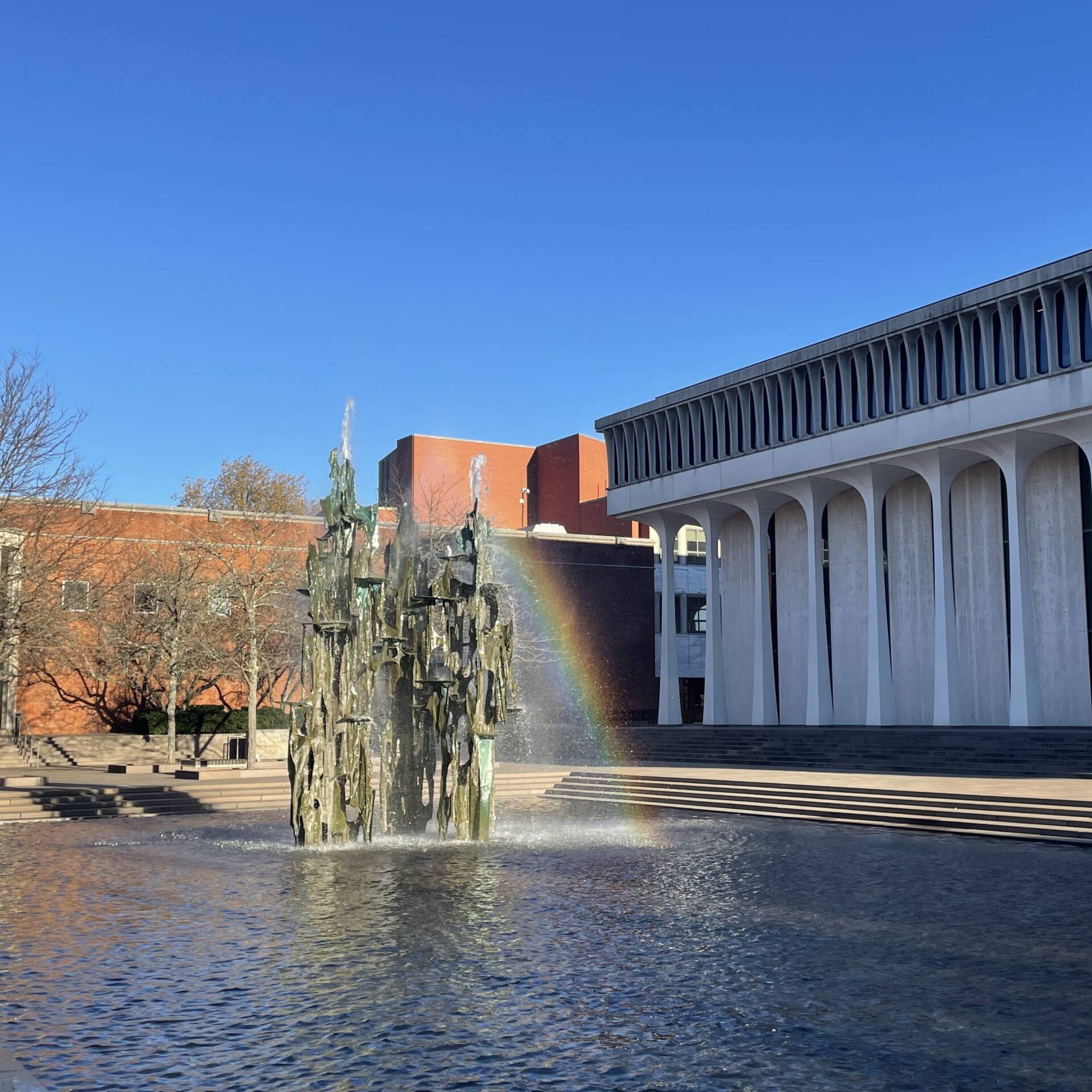
    Image of a fountain in the foreground whose spray creates a rainbow. Background includes the School of Public and International Affairs
    A rainbow at the Fountain of Freedom (colloquially called the “SPIA Fountain”), taken during a break from working on my thesis

    Independent research at Princeton offers an incredible opportunity for students to explore their academic interests and gain experience in the research world. This year, I’m working on my Senior Thesis with Professor Aleksandra Korolova, conducting an audit of Google ad delivery optimization algorithms. Specifically, I am studying whether aspects of advertisements—the image, text, links, and so on—impact the demographics of the audience to whom the advertisement is delivered.

    In the fall, many people were curious about how my thesis was progressing. The truth was, for a few weeks, I hadn’t started running any experiments, since I first needed my research to be approved by the Institutional Review Board (IRB). Through this experience, I both gained insight into the IRB process and found that many students had never even heard of the IRB. In this article, I share my experience and offer advice for students who are planning to conduct independent research.

    (more…)
  • Research is Better with the Right Mentor—How I Found Mine

    Glass brain plots
    Glass brain plots from the data analysis of the project I’m working on with my mentor, who spends a couple hours every week going through the fundamentals of coding in neuroscience with me. When I started working with him, I didn’t even know I could make plots like these. Our weekly meetings paid off.

    When I first came to Princeton, already interested in neuroscience research, I kept hearing about all the incredible opportunities available to undergraduates. Professors conducting groundbreaking neuroscience studies, cutting-edge labs filled with brilliant minds—it all sounded amazing. But as a first-year student, I had no idea how to actually get involved. Everyone seemed to know what they were doing, while I was stuck wondering: Where do I even start? Will a professor really take time to mentor someone like me? If I cold-email them, will they even read it?

    (more…)
  • Now & Next: Microsoft’s Quantum Computing Breakthrough—Revolution or Overstatement?

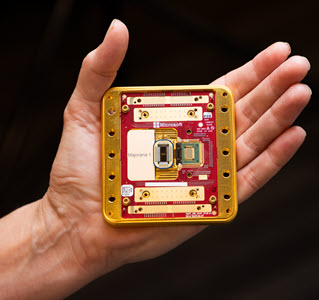
    The Majorana 1 Chip held in a person's hand against a black backdrop.
    The Majorana 1 Chip. Photo by John Brecher for Microsoft.

    In light of recent discussions in the scientific and engineering community, I wanted to take a closer look at Microsoft’s latest announcement in quantum computing. As someone deeply interested in the intersection of research and innovation, I was curious about what this means for the field. Is this truly a turning point in quantum computing, or is there still more work to be done? As part of Now & Next, a new series dedicated to exploring current events, groundbreaking research, and forward-looking trends in engineering, this post delves into Microsoft’s research, the promise of topological qubits, and how the research community is responding. This could be the dawning age for quantum computing, or another step in a long journey. Let’s dive into what’s going on now and what’s coming next with Microsoft’s quantum computing announcement.

    (more…)
  • Insights and Interests: An Interview with Cevina Hwang

    Hailing from Saipan and South Korea, Cevina Hwang is a junior in the Ecology & Evolutionary Biology department. With a longstanding interest in the field of dentistry, she chose to expand upon this passion through her junior work, where she will be exploring the evolution of the human jaw and teeth.

    Join me below to read about Cevina’s journey in the junior work process. 

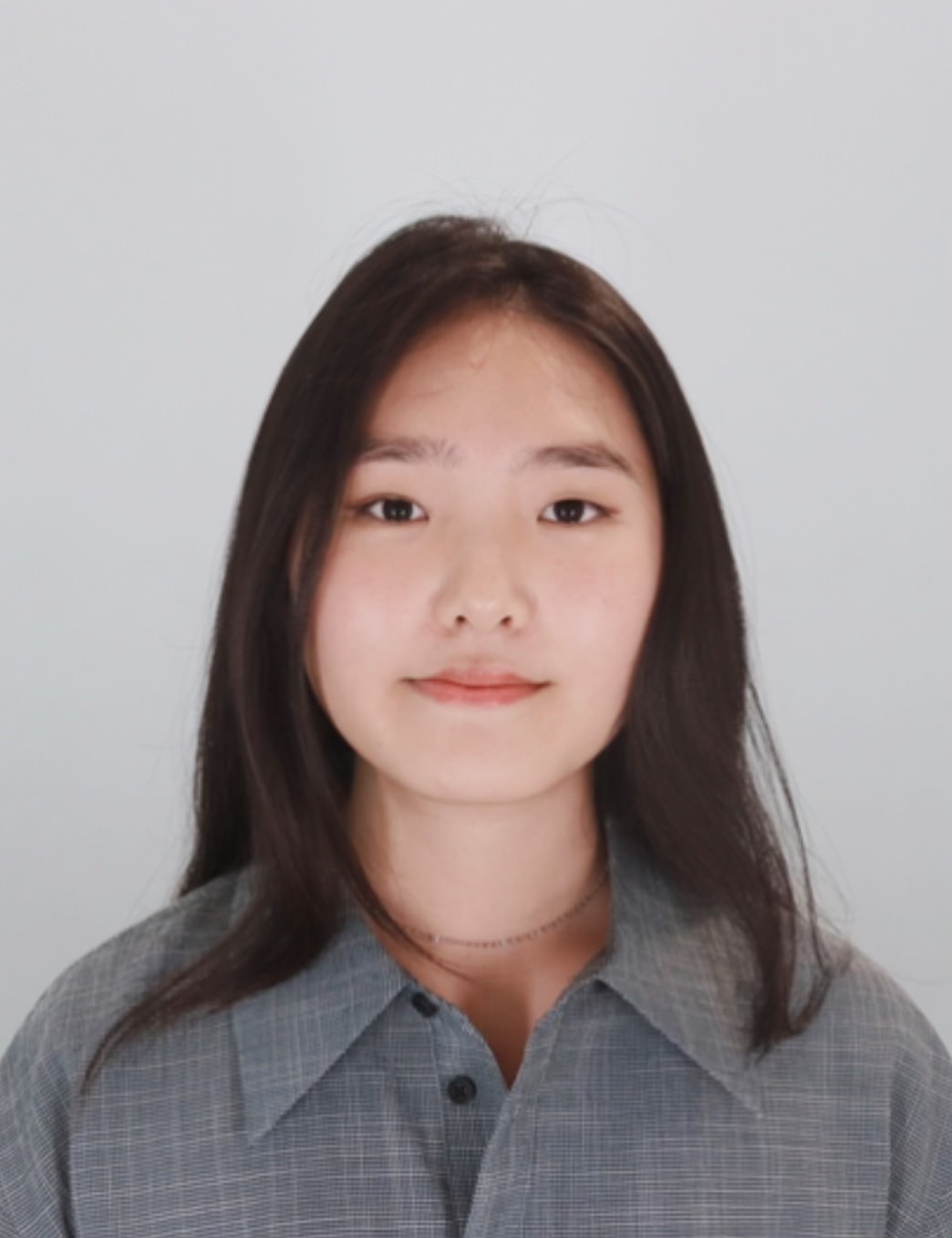
    Headshot of Cevina Hwang
    Cevina Hwang, Princeton University ’26
    (more…)
  • A Guide to Poster-Making

    You’ve finished a research project and now you’re on to the final step: presenting your work! It’s time to share the incredible work you’ve done with the general public, and one of the best ways to do so is to create a poster conveying the significance and conclusions of your research. This will be an essential skill during your time at Princeton whether for a course or as a part of your junior and senior independent work. If this is your first time creating a poster presentation, check this blog out! ​​

    A student presenting her junior work as a poster presentation.
    Sara Akiba ‘26 with her poster presentation on “Foraminifera-bound δ13C as a Paleo CO2 Proxy: Methods Testing” for the Geosciences Junior Poster Presentations! If you want a poster as great as hers, continue reading below for some advice.
    (more…)