A guide of first steps for women-identifying undergraduate students stepping into research
Every women-identifying undergraduate student has the potential to become an incredible researcher; your journey starts now!
As we step into the new school year, woman-identifying undergraduate students across campus are looking to take their first steps into research. This process can be new, daunting, and sometimes, downright terrifying. It’s scary to step into a room where you are the first, the only, or both. That’s why it’s imperative to support women-identifying students in empowering research communities, advocating for their learning goals, and asserting themselves in new research settings. For allies, there are also important ideas shared by woman-identifying researchers about the best ways to support their success.
Over the course of the semester, PCURs will explain how they found their place in research. We present these to you as a series called The Project That Made Me a Researcher. As any undergraduate knows, the transition from ‘doing a research project’ to thinking of yourself as aresearcher is an exciting and highly individualized phenomenon. Here, Bennett shares his story.
~~~~~~
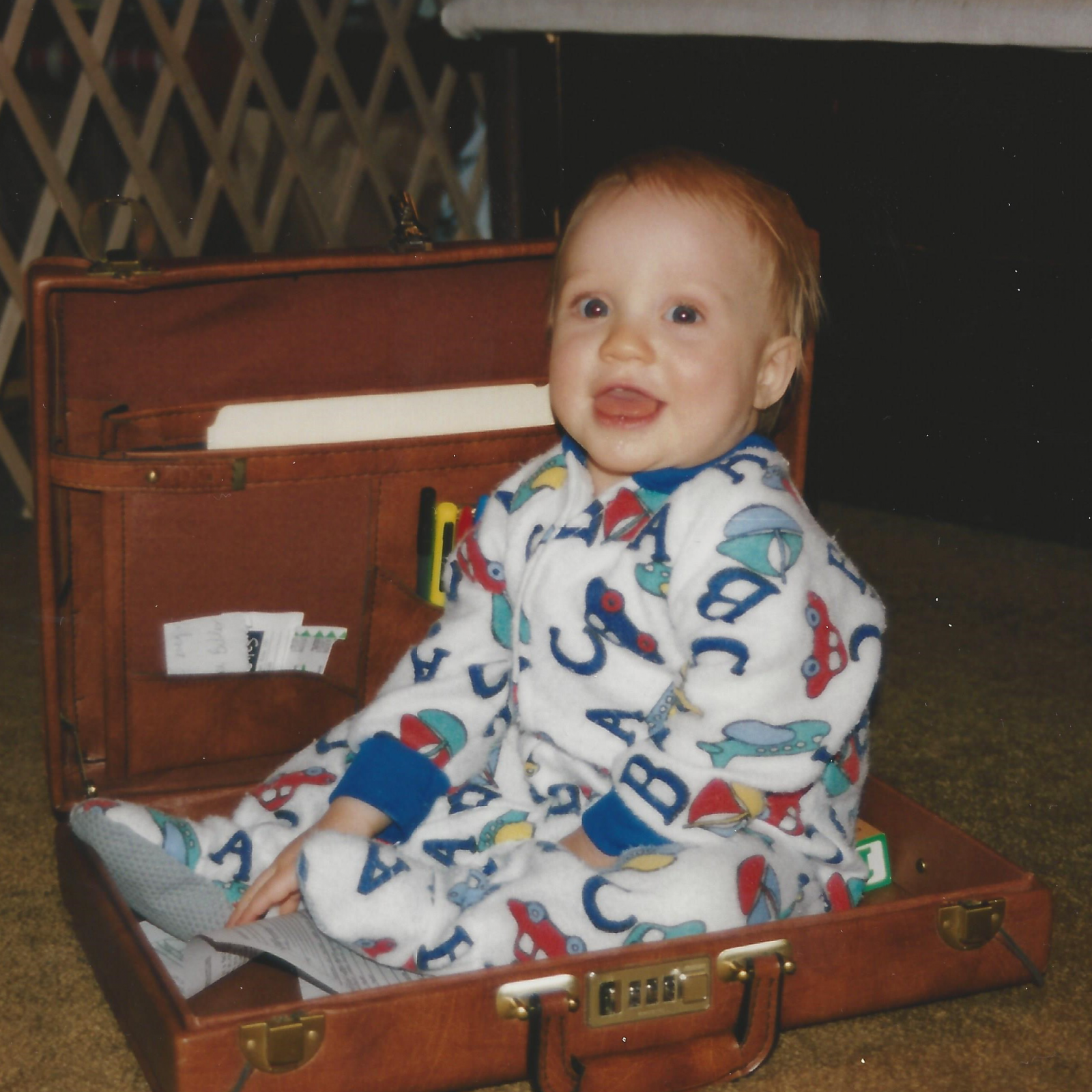
This is hardly the conventional idea of a research project: for one thing, I don’t remember it, and it’s hardly a lab or an archive project. But, unlike the writing seminar paper I wrote on Osama bin Laden, or my first lab experience with yeast genetics, this is a project every PCUR reader has gone through. So here’s baby Bennett, to take you through the first and most exciting research project any of us has participated in: discovering the world as an infant.
1. Bury Yourself In The Literature
I don’t mean that literally, silly.
You can’t start a research project without a deep background on the question you’re asking in the first place. That’s pretty difficult for an illiterate baby: the best I could do was crawl into the papers in my Dad’s briefcase, and hope some knowledge rubbed off, or that I would at least get a better understanding of how the world around me was shaped. If you’re literate, then you’ve got a huge advantage: read everything you can (even if you don’t understand it all at first – we’ll get to that later).