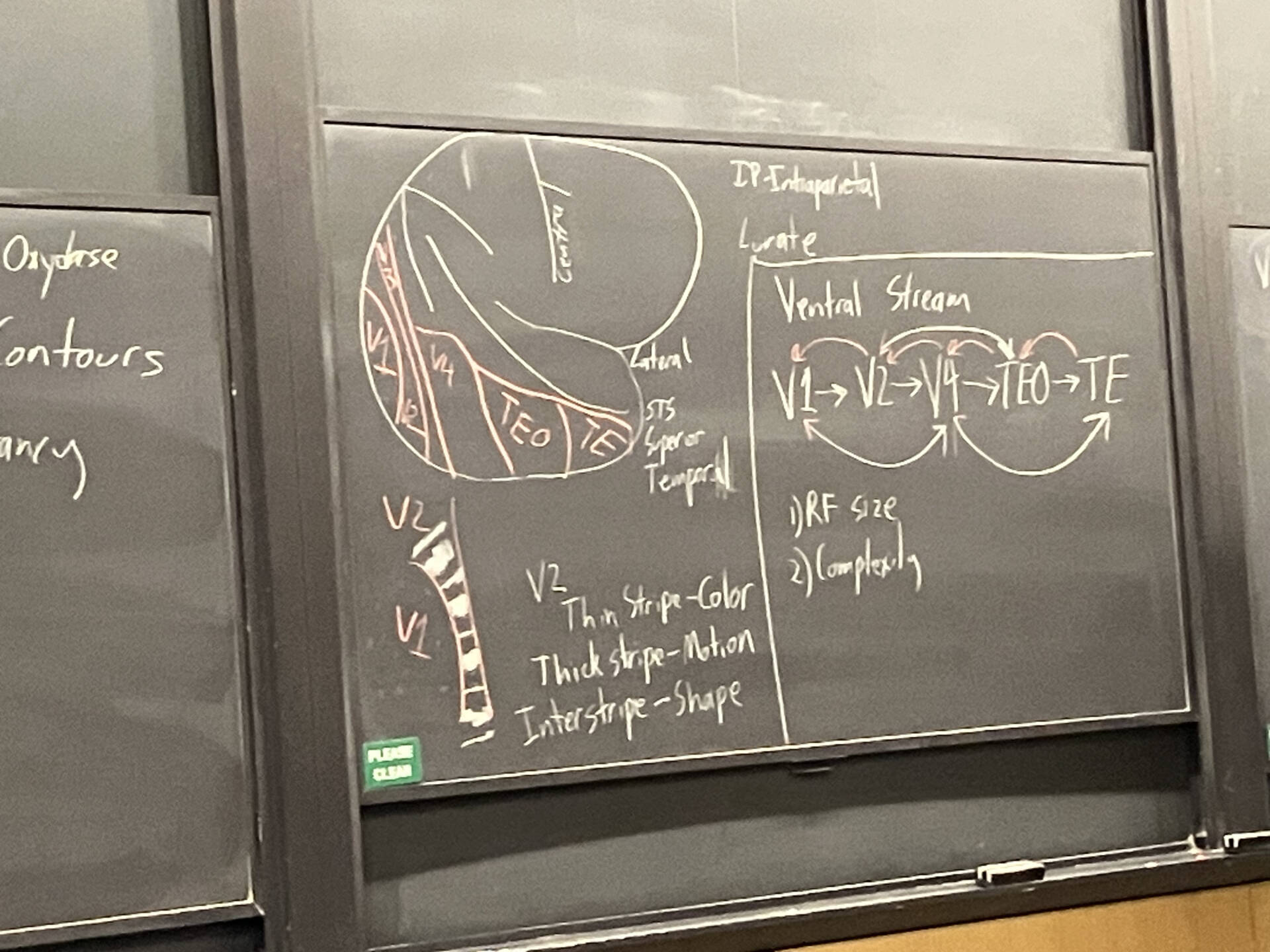
Blackboard featuring some neuroscience concepts from a neuro class taken at Princeton
We all have to do it: read research papers. They can be jargon-y, long, confusing, and all in all an upsetting experience, but there’s no way around it.
First of all, let’s start by approaching this with a more positive mindset. Reading research papers can give us access to a bucketload of information that no other resource can provide. It is the most updated source on your favorite scientific topics, a Vogue magazine for the scientific world if you will. As such, reading them can be fun–but only if you know how. Now that we are a bit more optimistic about reading them, we can start with the first few steps.
Many books in a library. Citing them all would probably take a long time. Credit: Emil Widlund
If I have to be completely honest, dealing with citations is my least favorite portion of the academic writing process. Ascertaining what citation style I need to use, successfully figuring out how to actually format citations in that style, and managing the hodgepodge of footnotes and endnotes are all tasks that seem, to me, cumbersome. Of course, these are necessary tasks: it is imperative that if we paraphrase, quote, or utilize in any way the work of others, we should always attribute the proper credit to them. But recognizing the importance of academic integrity doesn’t prevent us from still finding the task of dealing with citations to be a chore! If you’re in the same boat as I am, I’ll try to provide some advice and tips on dealing with citations!
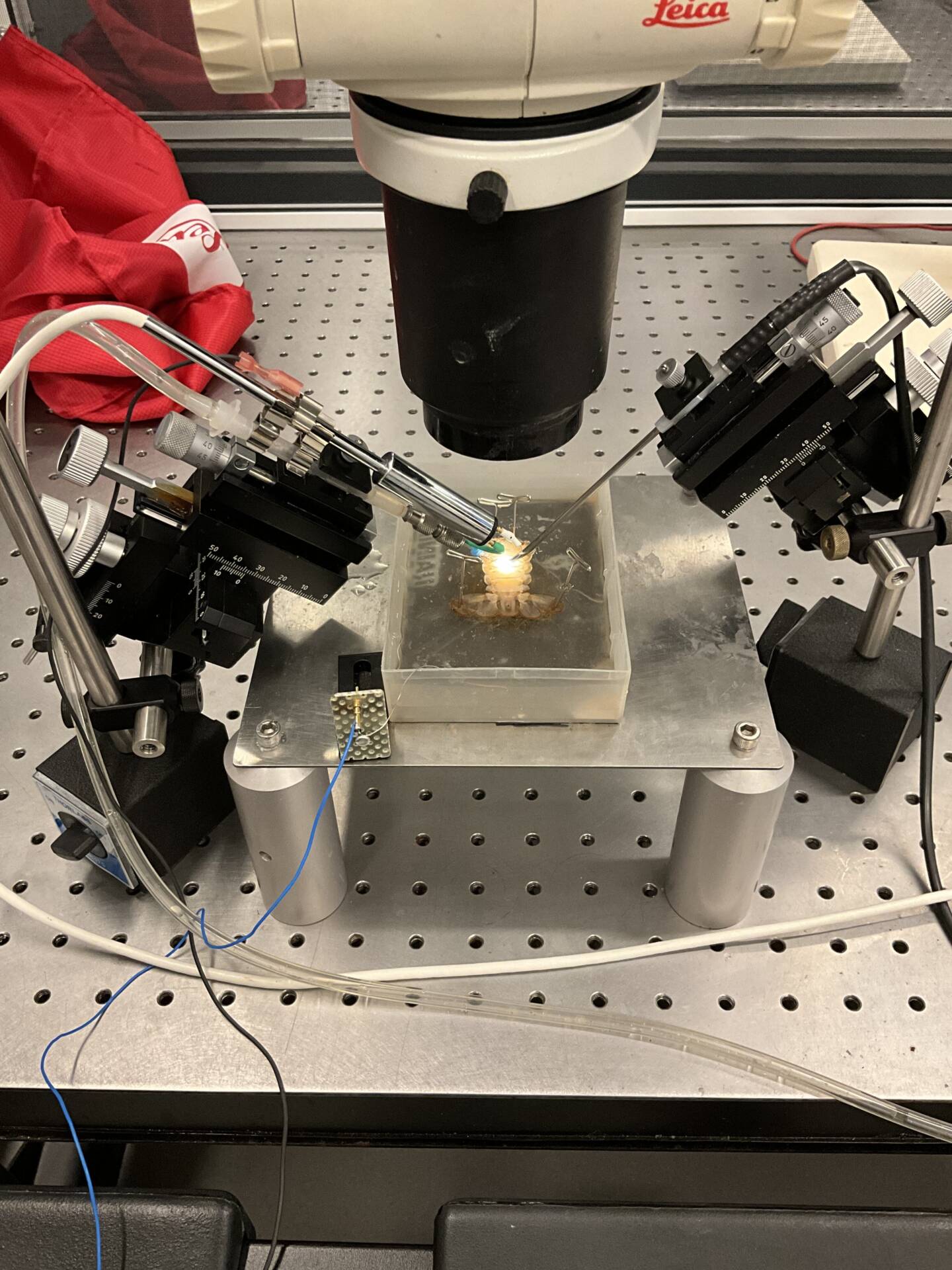
For most STEM majors at Princeton, one of the requirements is a course known informally as Core Lab. This class aims to equip students with laboratory skills required to succeed as a scientist in the field. It is usually composed of two 3-hour labs and one lecture per week. As a neuroscience major, I am currently taking NEU 350: Laboratory in Principles of Neuroscience, a class designed to introduce students to modern methods of analyzing neural activity—from the level of single neurons to large-scale networks underlying cognition. The course covers a range of techniques, including intracellular and extracellular recordings, optogenetics, EEG, and fMRI. After weeks of conducting designed experiments, it culminates in an independent research project where students design and conduct their own experiments based on knowledge and skills learned throughout the semester.
You’ve finished a research project and now you’re on to the final step: presenting your work! It’s time to share the incredible work you’ve done with the general public, and one of the best ways to do so is to create a poster conveying the significance and conclusions of your research. This will be an essential skill during your time at Princeton whether for a course or as a part of your junior and senior independent work. If this is your first time creating a poster presentation, check this blog out!
Sara Akiba ‘26 with her poster presentation on “Foraminifera-bound δ13C as a Paleo CO2 Proxy: Methods Testing” for the Geosciences Junior Poster Presentations! If you want a poster as great as hers, continue reading below for some advice.(more…)
A blank Tiger Junction page ready to be filled with the courses for next semester.
Planning your courses while doing research can feel like a juggling act—one that involves not just your academic requirements but also your research commitments and, of course, your own well-being. At a place like Princeton, where opportunities in labs and research projects abound, learning how to navigate and integrate everything into your schedule can make a huge difference.
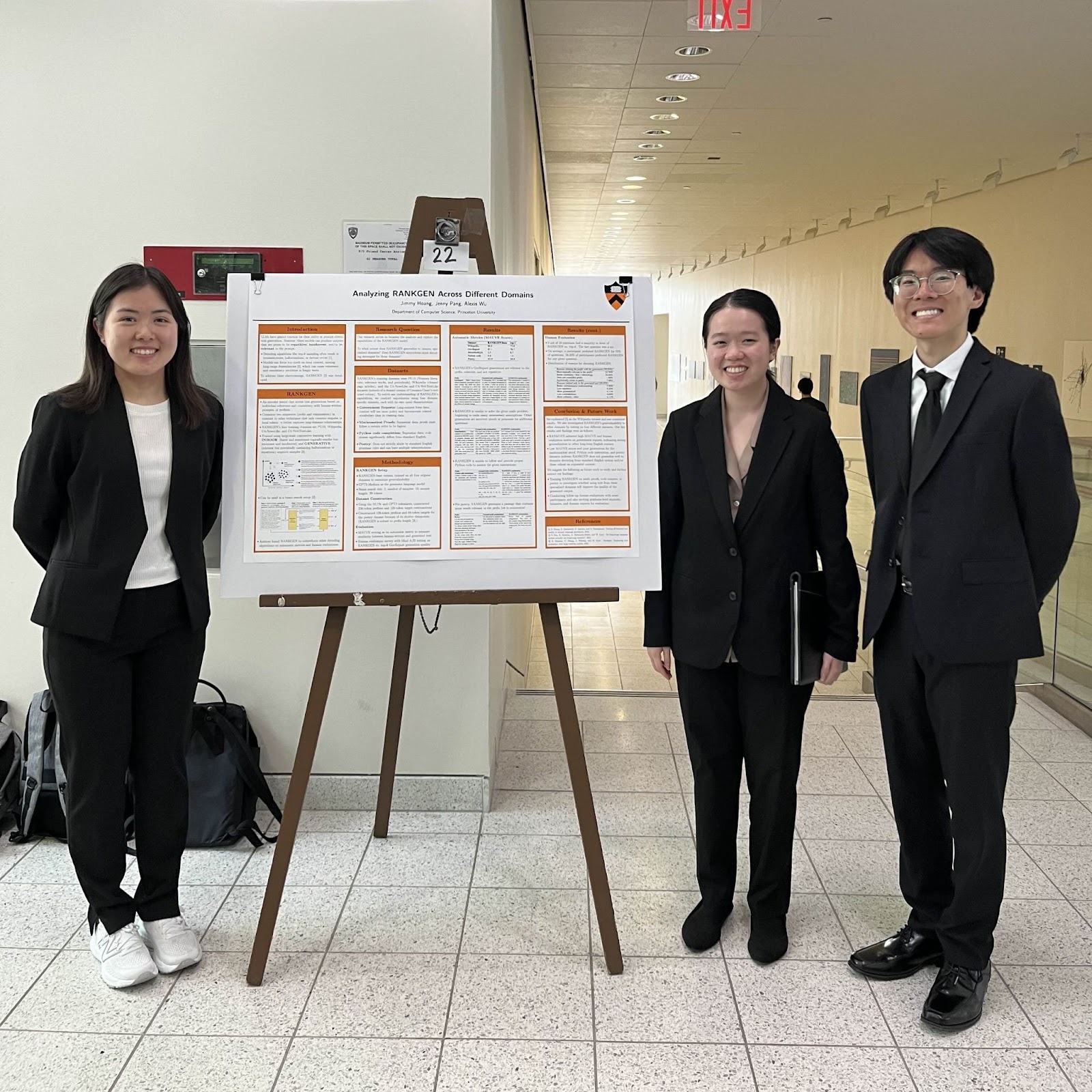
Alexis Wu (author), Jenny Pang ‘24, and Jimmy Hoang ‘24 at the COS 484: Natural Language Processing Spring 2024 poster session.
The end of the semester is often accompanied by deadlines for semester-long projects and final papers (including the infamous Dean’s Date deadline, which past correspondent Ryan Champeau has amazing advice on!). For some classes, students may be asked to create an academic or research poster and present their work to their peers in a poster session. A couple of courses I have taken where I produced a final research paper were COS 484: Natural Language Processing and ASA 238: Asian-American Psyches.
In ASA 238, the department provided funding so that all students in the class could have their poster printed through Princeton Print & Mail Services. However, this option typically is not free-of-charge to students. Moreover, since this process typically takes 4-5 business days after the proof is approved to be printed, course instructors may set conservatively early deadlines so that all students’ posters may be printed on time. With more deadlines in other classes, this can create additional stress.
The great news is, this stress can be avoided with a free, straightforward alternative: utilizing the Makerspace’s Large Format Printer. The Princeton University Library (PUL) Makerspace is a creative space on the A-level of the Lewis Science Library open to current students, faculty, and staff. If you’ve never used the space before, it might be daunting, but I hope this article will clarify the process and assuage any fears you may have!
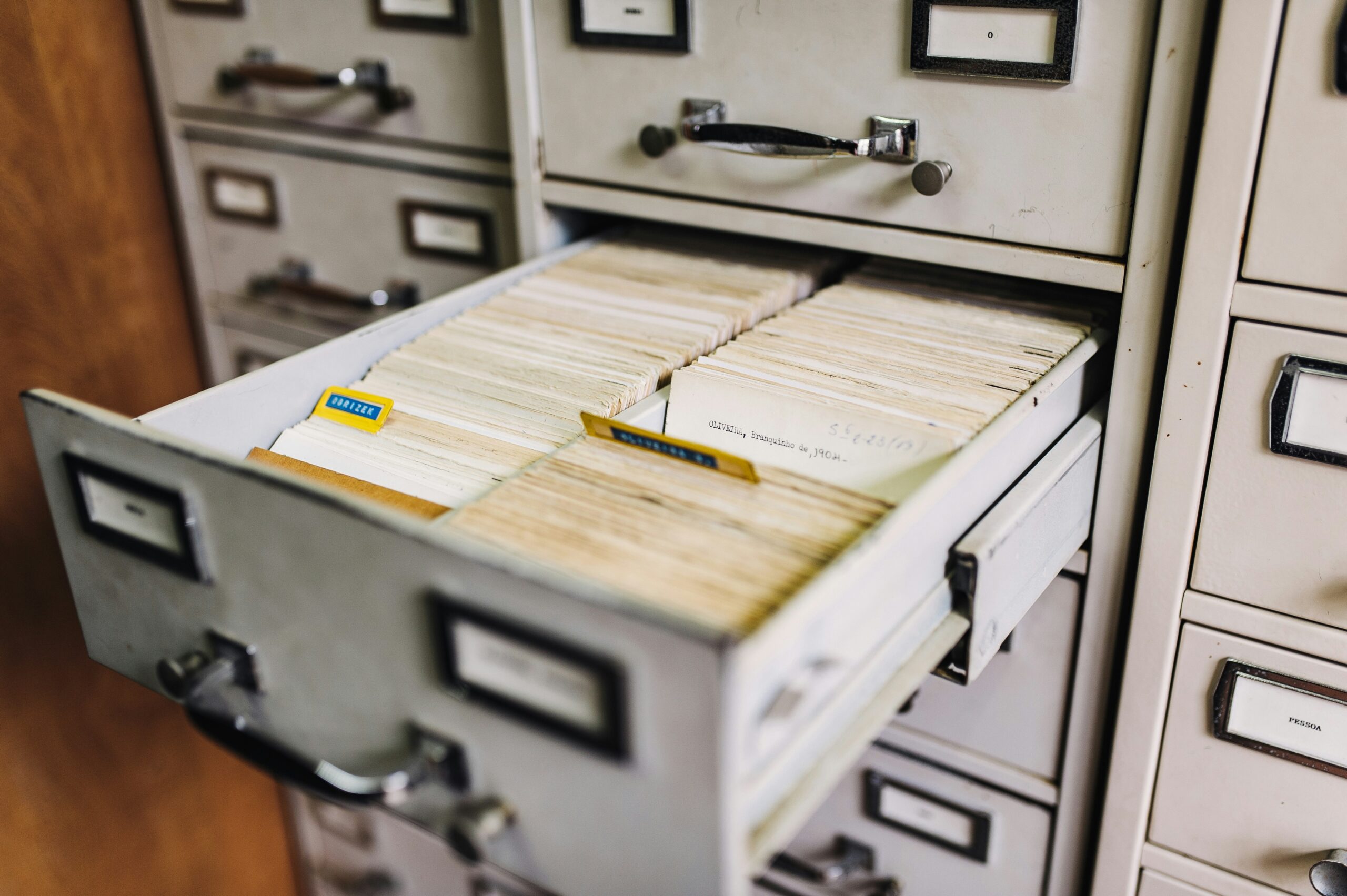
The Princeton Index of Medieval Art used to be a physical register, much like this one.
Many academic disciplines engage with visual art, whether from the standpoint of art history, material culture, or even paleography. The Princeton Index of Medieval Art is a unique database well-suited to the needs of researchers across various fields. Whether history, comparative literature, art, or classics, the index gathers a vast amount of information on Late Antique and Medieval Artworks, neatly sorted in an accessible way.
Jake Snell is a DataX postdoctoral researcher in the Department of Computer Science at Princeton University, where he develops novel deep learning algorithms by drawing insights from probabilistic models. He is currently serving as a lecturer for SML 310: Research Projects in Data Science.
As I dive deeper into my computer science coursework, I’ve found myself engaging increasingly with statistics and machine learning (hereafter abbreviated as SML). Opportunities to conduct SML research are abound at Princeton: senior theses, junior independent work, research-based courses such as SML 310: Research Projects in Data Science, joining research labs, and much more. There is such a wide variety of research opportunities, and so many nuanced pathways that students can take while exploring SML research. So, for this seasonal series, I wanted to speak with professors and researchers who are more advanced in their research journeys to share their insight and advice to undergraduate students.
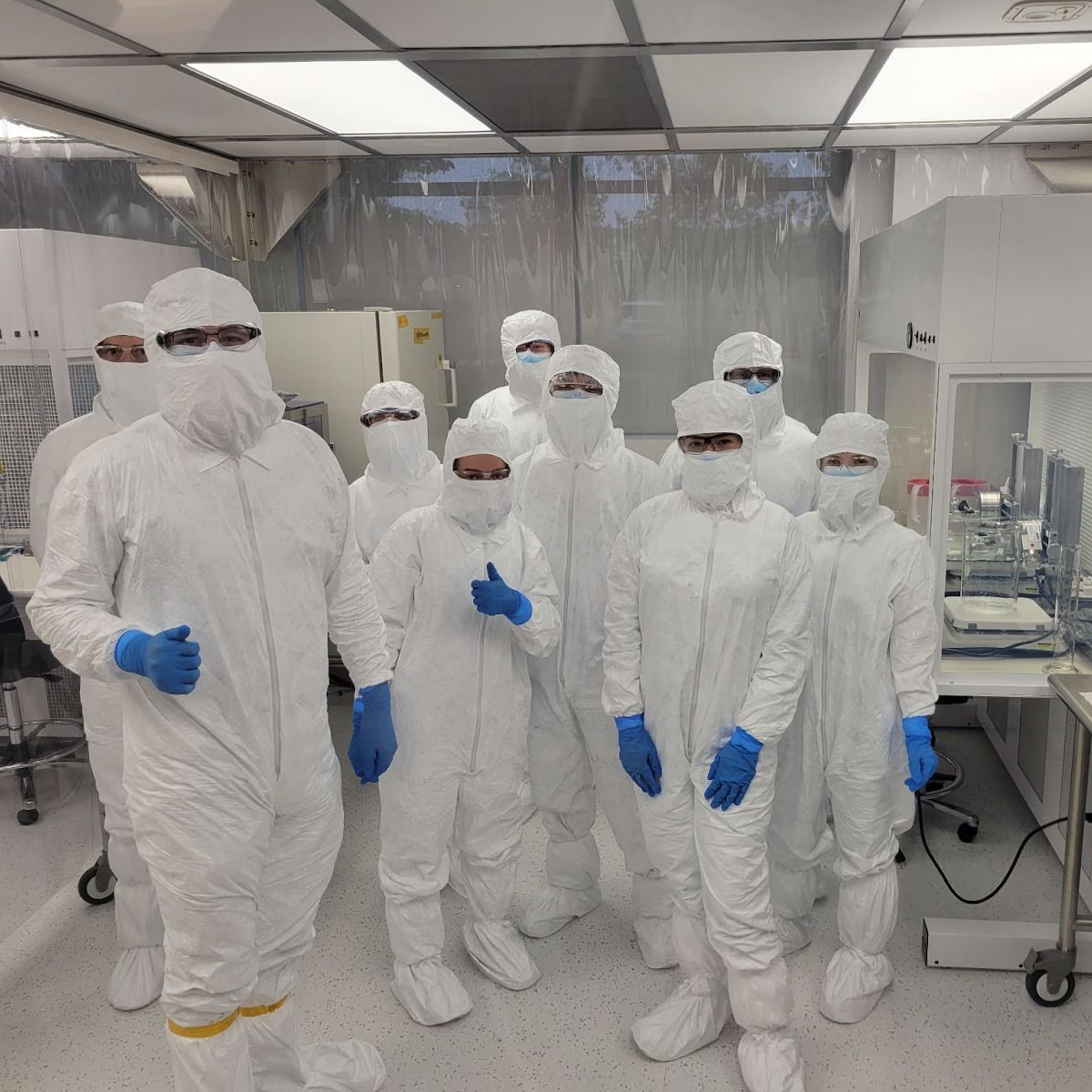
Group Photo of the AST251 students with Precision Assembly Specialist John Teifert all geared up in the cleanroom!
The structure of a “standard” Princeton course usually includes a mix of lectures, precepts, or seminars which likely have a midterm and final. While some of these courses may have “lab” components where you spend a couple hours once a week doing a hands-on assignment, there exist many courses at Princeton which are instead entirely focused on conducting hands-on, lab-based research with a small team that works closely with professors who provide mentorship as you work on an original research project. If you’ve ever wanted to take a class that is far different from anything else at Princeton by teaching you hands-on skills and giving the opportunity for a new project, these types of courses might be for you!
Some of these courses are year-long sequences like AST250 Space Physics Lab I and AST251 Space Physics Lab II, which I took during the 2022-2023 academic year. This was one of my favorite course experiences at Princeton and was certainly the most engaging. The skills we learned were invaluable, and as we worked closely with the professors and each other, our year-long project became an unforgettable experience.
Whether writing a paper or providing a presentation, you will often find yourself relying on the completed work of others to synthesize information about a subject. An essential part of using these outside sources is to give their owners rightful credit in your references! Read some tips below on making citations easier.
Citations can be the most dreaded section of your writing. Finish your references with ease using this guide! (more…)