Author:

  • Post-Princeton Life: Interview with Melissa Parnagian ’17

    For this year’s Spring Seasonal Series, entitled Post-Princeton Life: The Experiences of PCUR Alumni, each correspondent has selected a PCUR alum to interview about what they have been up to. We hope that these interviews will provide helpful insight into the many different paths Princeton students take after graduation. Here, Rafi shares his interview.

    ~~~~~

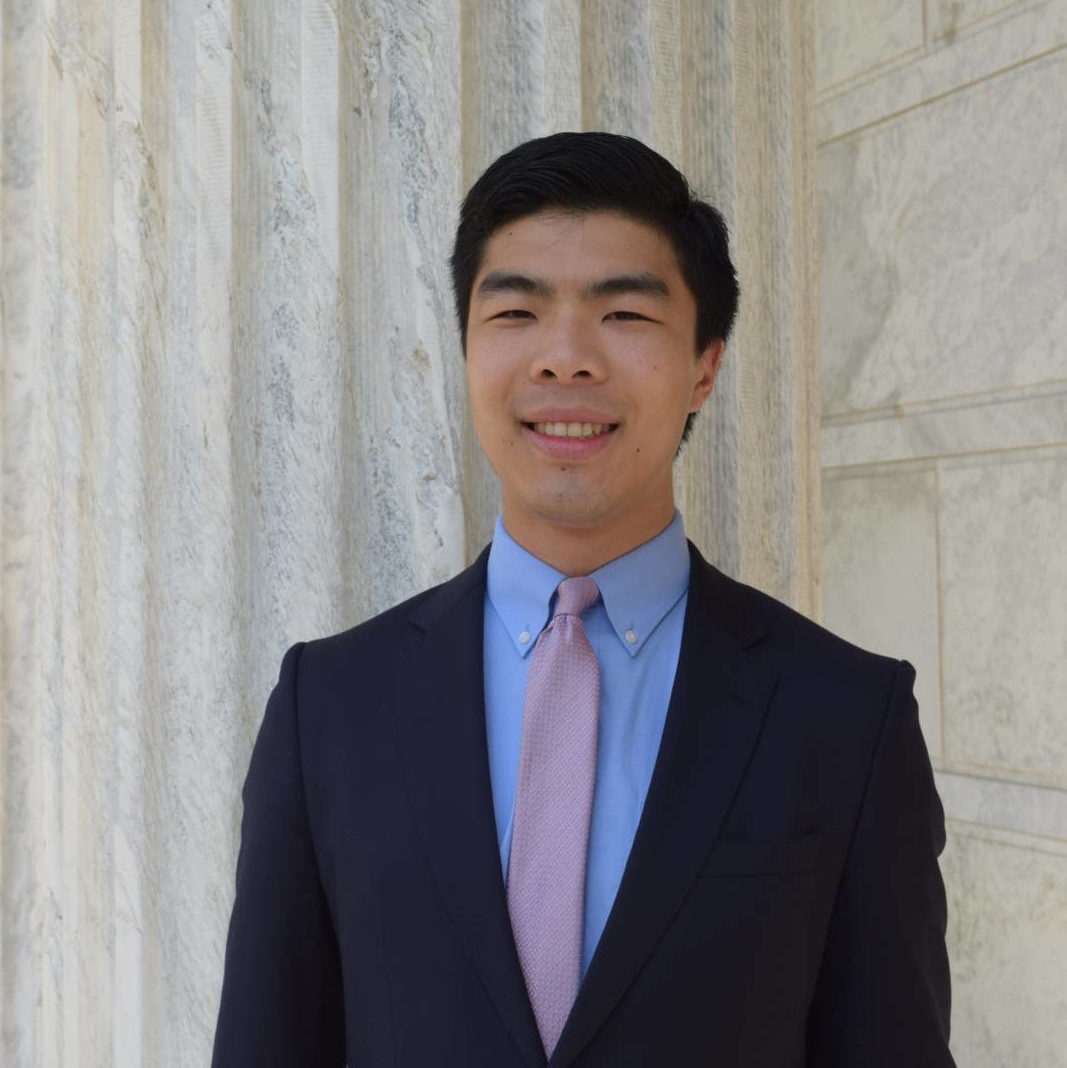
    I met Melissa, the former PCUR Chief Correspondent, in my first precept at Princeton—Professor Duneier’s SOC 101 – “Introduction to Sociology” in the fall of 2016. It was an intimate and difficult precept where we discussed race, gender, and class—conversations that were quite new to me at the time. Many of our discussions from that precept have stayed with me and guided my current academic work. The following semester, Melissa sent me an email telling me to apply to write for PCUR… and the rest is history. This past week, I caught up with Melissa over email to hear more about her time since graduation and her reflections on post-grad life.
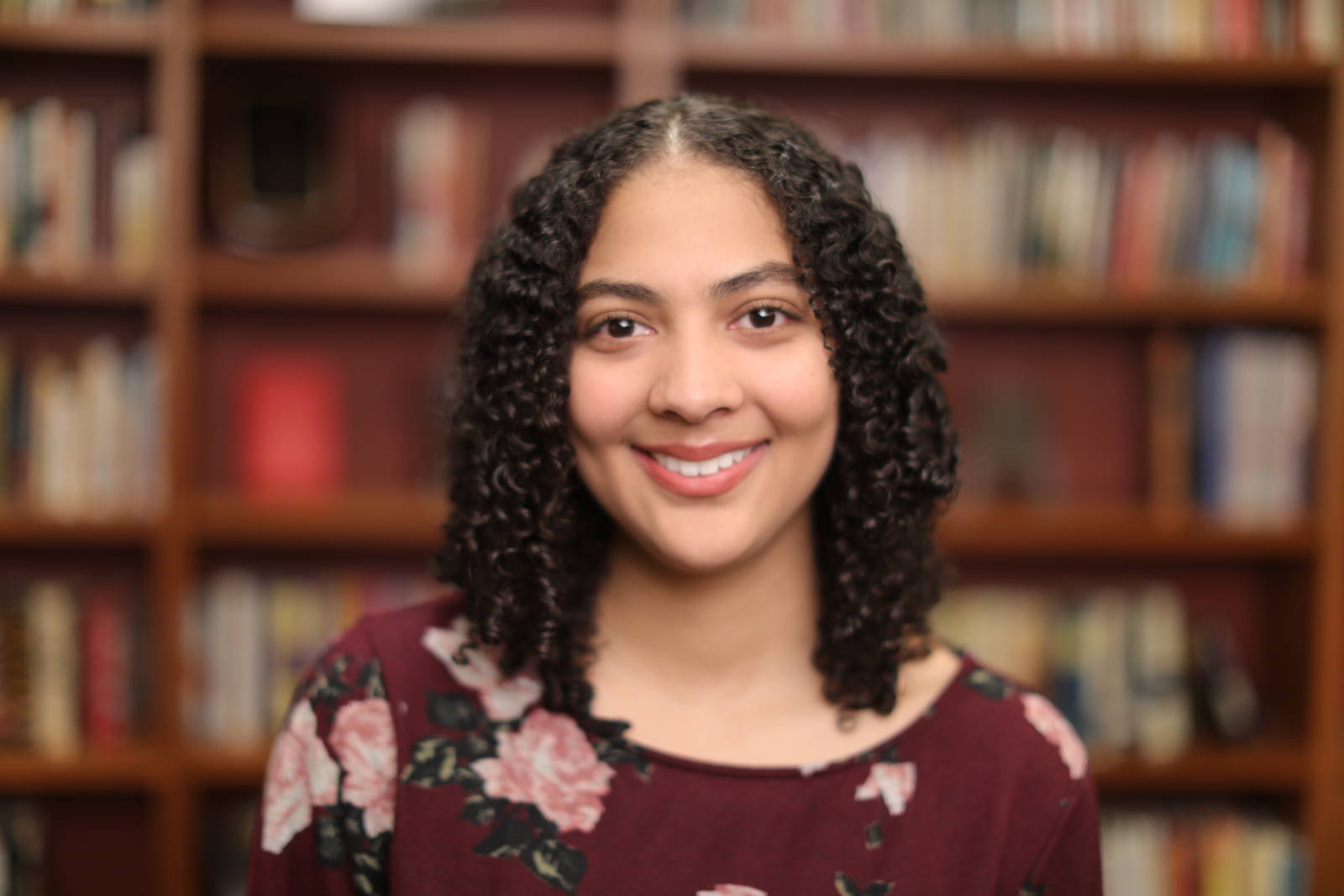
    Melissa Parnagian ’17 is finishing up her last year at Harvard University’s John F. Kennedy School of Government (HKS). 

    (more…)

  • Post-Princeton Life: Interview with Emma Kaeser ’18

    For this year’s Spring Seasonal Series, entitled Post-Princeton Life: The Experiences of PCUR Alumni, each correspondent has selected a PCUR alum to interview about what they have been up to. We hope that these interviews will provide helpful insight into the many different paths Princeton students take after graduation. Here, Andrea shares her interview.

    ~~~~~


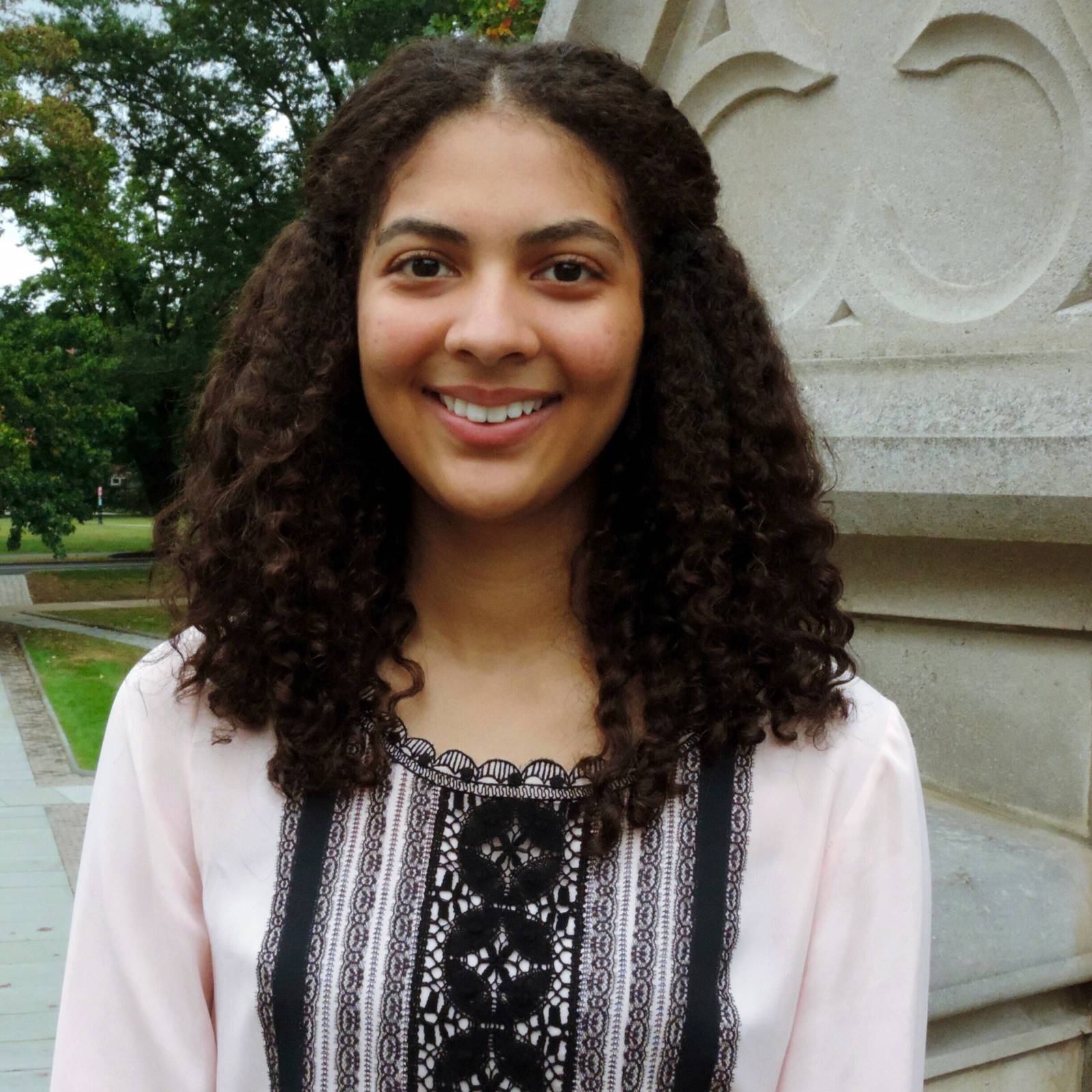
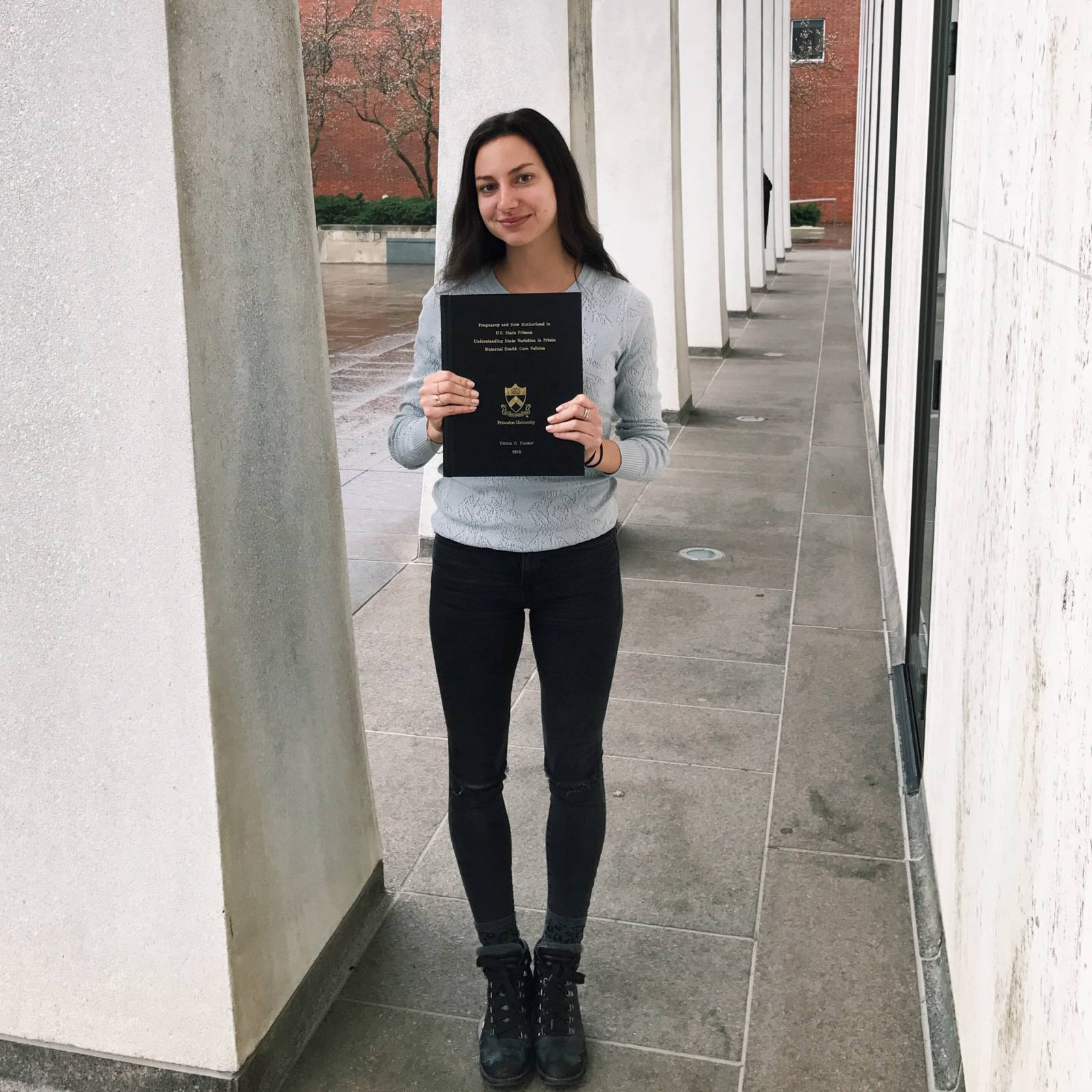
    Emma Kaeser is a PCUR alum who is now at Stanford Law School.

    For this semester’s seasonal series, I decided to interview PCUR alum Emma Kaeser, a Princeton graduate from 2018 and a current student at Stanford Law School. While at Princeton, Emma concentrated in the Woodrow Wilson School (WWS); as a WWS concentrator and someone who is planning on going to law school after I graduate, I thought it would be interesting to ask Emma a few questions about her experience here and how it shaped her post-graduation trajectory.


    (more…)

  • Post-Princeton Life: An Interview With Nicholas Wu ‘18

    For this year’s Spring Seasonal Series, entitled Post-Princeton Life: The Experiences of PCUR Alumni, each correspondent has selected a PCUR alum to interview about what they have been up to. We hope that these interviews will provide helpful insight into the many different paths Princeton students take after graduation. Here, Shanon shares his interview.

    ~~~~~

    Nicholas Wu ’18 currently covers politics for USA Today.

    As part of our Spring Seasonal Series, I interviewed Nicholas Wu ’18. I first met Nick in the fall of my first year, in a class called American Politics. For the remainder of Nick’s Princeton career, he and I shared the occasional class, and eventually, both became PCUR correspondents. I’ve long admired Nick’s curiosity and talent for critically evaluating contemporary politics, so I’m thrilled that he’s now making a career out of that interest. As you’ll see below, Nick has actually just accepted a job as a politics reporter for USA Today! So, I encourage you to read on to learn more about Nick’s early career experience and his advice for those of us still on “this side of paradise.” (more…)

  • PCUR in the News!

    Melissa Parnagian, Class of ’17, former PCUR

    Melissa Parnagian, Class of ’17, who served as the Chief Correspondent and a Social Sciences Correspondent for PCUR, was recently featured in a piece published by the National Merit Scholarship Corporation. Melissa was a Woodrow Wilson School concentrator and is now attending the John F. Kennedy School of Government at Harvard University to receive her Master of Public Policy. In the piece, Melissa highlights the role PCUR played in her development as a writer and a researcher. Read the full article here.

    If you’re interested in learning more about what PCUR alumni are doing now, be sure to check out our upcoming spring seasonal series, Post-Princeton Life: The Experiences of PCUR Alumni, and read all about the many different paths Princeton alumni have taken.

    Ellie Breitfeld, Cheif Correspondent

  • JP Adviser Meetings: Confronting Your Writing

    I meet with my JP adviser every other Monday morning. No matter how hard I try to beat procrastination, the weekend before each meeting is always an anxious scramble to complete a draft. On Sunday night, I worry that I’m unforgivably behind schedule, that my topic was a bad choice, that my writing is incoherent.

    From conversations with my friends, I’ve realized that wanting to avoid our advisers is totally normal. It can be scary to share our work—especially when it’s unfinished, and especially when the reader will eventually be grading it. But as I’ve learned over the past semester, though it can be terrifying, meeting with my adviser has only helped and reassured me in the research and writing process.

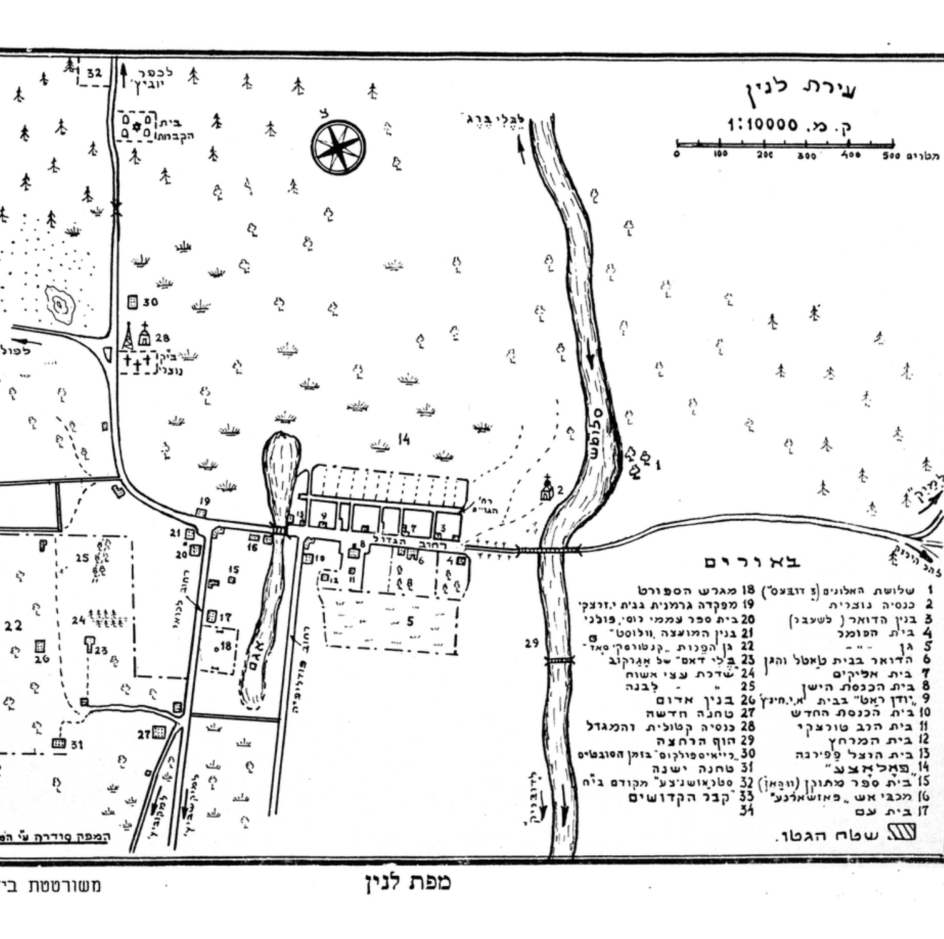
    My JP focuses on the hand-drawn maps produced in Holocaust survivors’ memory books. This is an example from the town of Lenin.

    When I feel anxious the Sunday before an adviser meeting, I’m not actually worried about what my adviser will think. I’m worried about having to confront my own work. If I send only a two-page draft, I have to admit to myself that I’m behind schedule. If my argument isn’t fully baked, I have to admit that I haven’t yet figured out how to approach my topic. If my writing is confusing, I have to admit that it needs a lot more editing.

    Admitting mistakes or weaknesses is always hard. It feels so much easier to pretend they don’t exist—to convince yourself that you’ll be on schedule soon, that there are no holes in your argument, that your writing needs no editing. However, as difficult as it may be, confronting these questions regularly not only improves your work, but prevents a flood of buried anxiety at the end of the project.

    (more…)

  • Writing for Fun? (Part 2): Journalism and Academic Writing

    In my last post, I started an exploration of writing on campus to understand how students approach the writing process outside the classroom in their own work and in extracurriculars. In that post, I considered creative writing and the ways academic writing can present a similar opportunity for expression and creativity.

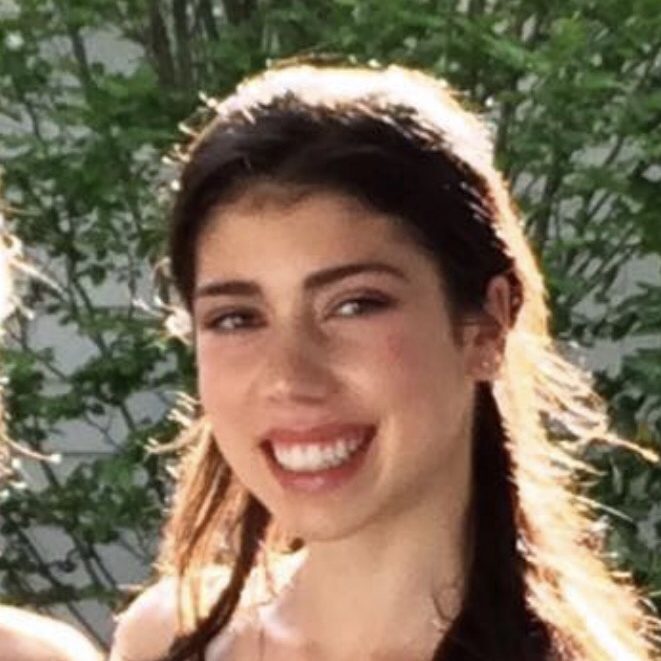
    Sam Shapiro, Class of 2021

    In this post, I interview Sam Shapiro ’21 who is a Features Editor and writer for the Daily Princetonian. In my interview with Sam, we discussed the differences and similarities between journalism and academic writing and how to bring the thrill one feels when chasing a story for a publication to a term paper in class. (more…)

  • First-Years and Sophomores: It’s Time to Start Thesis-ing!

    Before senior year, the senior thesis can feel worlds away. For me, thinking about my senior thesis has always felt like imagining potential careers—impractical fantasies rather than realistic plans. Wouldn’t it be cool to…? What if I…?

    But just a few weeks ago, I received an email from my department, reminding me that thesis funding application deadlines were approaching. If I wanted to receive summer funding for thesis research, I needed to have an adviser, a research question, and a summer research itinerary solidified by the end of spring break.

    I felt somewhat blindsided by this deadline. I’m still a junior. I just started my second Junior Paper. I had given almost no thought to selecting my thesis adviser, let alone constructing a research plan for my still non-existent thesis project.

    My thesis research proposal involves visiting an archive in Jerusalem. It’s never too early to start planning.

    But for years, I’ve heard stories about the University’s generosity in supporting thesis projects. I wasn’t about to miss this opportunity.

    Fortunately, I was able to select an adviser and write a project proposal before the funding deadline. Even so, I wished someone had warned me sooner about the timeline for thesis projects.

    As I’ve learned, it is never too early to start thinking about thesis ideas.  Because thesis ideas can gestate for a long time, it can be helpful to maintain a few lists of ideas, models, and resources. You can add to them when you get inspired and consult them when the time finally comes to select a topic.

    (more…)

  • Writing for Fun? Part 1: Creativity and Academic Writing

    We are constantly writing––composing emails, blackboard posts, essays, and dean’s date papers. In this two-part series, I am interested in understanding the different forms of writing students explore on campus. Specifically, I interview students who write for campus publications to see how they approach the writing process in their extracurriculars.

    In this post, I Interview Serena Alagappan ’20, the Editor-in-Chief and a writer for Nassau Weekly. Serena is a comparative literature major who, for three years now, has shared poetry, cultural critiques, profiles, and fiction through the Nass. In my interview with Serena, we discuss creative writing and the connection she has experienced between her academic and personal writing. Serena encourages students to explore writing through the Creative Writing program and shares advice on how students can carry over the freedom and expression of creative writing into more formal and rigid academic subjects.

    (more…)

  • The Junior Paper: A Halftime Report

    1879 Hall, home to Princeton’s Department of Religion, where in a few weeks the author will submit the final draft of his JP.

    My friends and fellow students, springtime has sprung forth from the recently-frozen New Jersey soil. Spring Break is in the rear-view mirror, and we march toward Dean’s Date, finals, and summer at a steady clip. But another set of deadlines draws even nearer, deadlines whose immediacy can be seen on the tired faces of many upper-class students. Yes, friends, I’m talking about independent work, JPs and theses, the academic tulips of the Princeton spring semester. (more…)

  • Class Trip to Japan: Immersive Experiences, Changing Topics, and the Importance of Reflection

    This year, I spent my spring break traveling around Japan with my art history seminar course, ART 429 Visual Japan: Past and Present. It was an absolutely transformative experience, both academically and personally. I’m here to share a little bit about how I learned to use experiences to inspire research and find answers through reflection.

    (more…)