Author:

  • Tips and Tricks: How to Stay on the Grind during Winter Break

    After Winter Break, it’s straight into reading period and finals

    Winter break: a month (hopefully) full of rest and relaxation. The weeks after winter break: minimal hours of sleep and high levels of stress for pretty much all Princeton students. When the time comes, it is non-stop work until finals are over. If you are anything like me, it is easy to trick yourself into feeling like there is no work to be done over winter break. You get lulled into this false sense of reality, one in which your papers and exams aren’t due for another month. So, you binge-watch a Netflix show (or a few) and sleep in. However, this makes you susceptible to getting hit, hard, by the work waiting for you when you get back to campus. This is something I was afraid of during my first year here, so I did everything I could to overcompensate for this possibility. I ended up working throughout the entire break, not really giving myself any time to relax, which was not ideal, and I saw others who didn’t work at all, which also was not ideal. By junior year, after many trials and errors, I’ve figured out some tips that work for me to achieve a happy medium between rest and productivity over winter break.

    (more…)

  • Library Guides: Your Princeton Research Bible

    I recently discovered yet another lifesaving research resource on campus: Library Guides. Compiled by Princeton’s subject librarians, these free online guides tell you everything you need to know about researching your field – and I mean everything. If you haven’t yet explored the available Library Guides, you don’t know what you’re missing.

    Even after a few years at Princeton, the library system can feel overwhelming. Locating the relevant databases, citation formats, and reference books is always a challenge – especially at the start of a project.

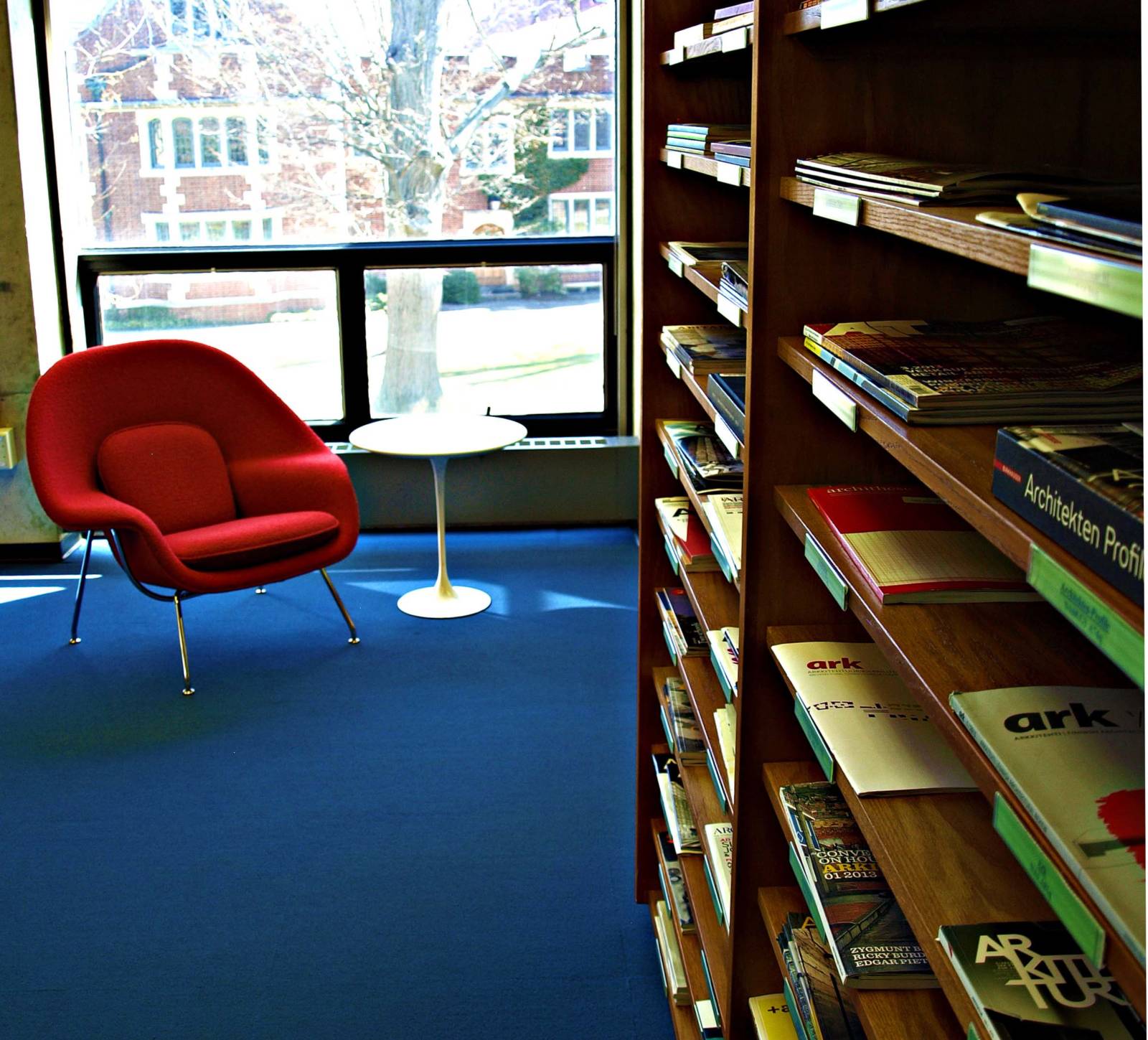
    Library Guides helped me sort through the shelves of journals in the Architecture Library.

    (more…)

  • Planning Ahead for a Balanced Break

    Working ahead prior to a break is another way to maximize your “off time” and enjoy a respite from the demands of academic life.

    As we are all undoubtedly aware, another break is coming up. Thanksgiving break, actually! Excitement is in the air as cherished plans for relaxation and the celebration of gratitude inch ever closer. Whether you’re going home or sticking around campus, I’m sure you’re looking forward to this break as much as I am.

    There’s just one problem: right on the other side of this break are the final three weeks of the fall semester. And if your course schedule is anything like mine, those will be three rather busy weeks! So, with break coming up and the final pre-winter break sprint right behind it, this is a perfect time for you, me, and everyone in between to come up with a game plan for what’s ahead. (more…)

  • How to Get Work Done Without Even Trying: Passive Brainstorming for Essays and Final Assigments

    In addition to this lovely position as a blogger for PCUR, I am also a Learning Consultant at McGraw. (*shameless plug*: Learning Consultations at McGraw are individual hour sessions with a student (like me!) where you come up with strategies on how to best handle your studies at Princeton). Last year, a couple consultants volunteered for the inaugural episode of McGraw’s podcast, “Making Learning Audible,” where we talked about finding balance between work and relaxation over winter break. During winter break in my first year at Princeton, I put a lot of pressure on myself to study intensively for exams but ended up just overwhelming myself and doing nothing. Any attempt to actively work on my essays to reach my high standard of getting super ahead on my Dean’s Date papers was met with instant exhaustion.

    Get this level of electric brainstorming activity done without even thinking about it!

    However, I said in the podcast: “For my sophomore winter break, I learned from that, and all I wanted was just a good place to start when I got back. I did not put a lot of pressure on myself. I let all the work that I had to do be kind of passive and if something came to mind that I really liked I would jot it down and get back to it”.

    In this post, I’ll unpack what I meant by “passive work.” Active brainstorming, in my experience, is choosing to set aside time to sit down and build an essay or open-ended question on an exam from scratch. So, what does it look like to stretch out this brainstorm period so when you sit down to write, the paragraphs basically form themselves? Here are some tips on how I’ve been able to cut down on brainstorming time and get down to business:

    (more…)

  • How to Select Courses

    The registrar for spring courses came out not too long ago. It’s time to start thinking about course selection!

    Each semester, Princeton offers over 1,000 courses, taught in over 100 departments and programs, over a range of 8 distributions by professors who have served as Presidents, been awarded Nobel Prizes, made groundbreaking discoveries in their fields, and received Pulitzer Prizes. At Princeton, each course is not just a series of lessons; courses are opportunities–opportunities to travel, to get to know professors, to learn methods for independent work, to explore your interests.

    With so much available each semester, how does one pick just 4 or 5 courses to take?

    Here is a guide to Princeton’s (many) resources for selecting courses. Included are reviews of different online applications for course searching and scheduling and a few general tips of advice.

    (more…)

  • Guide to the Rare Books and Special Collections

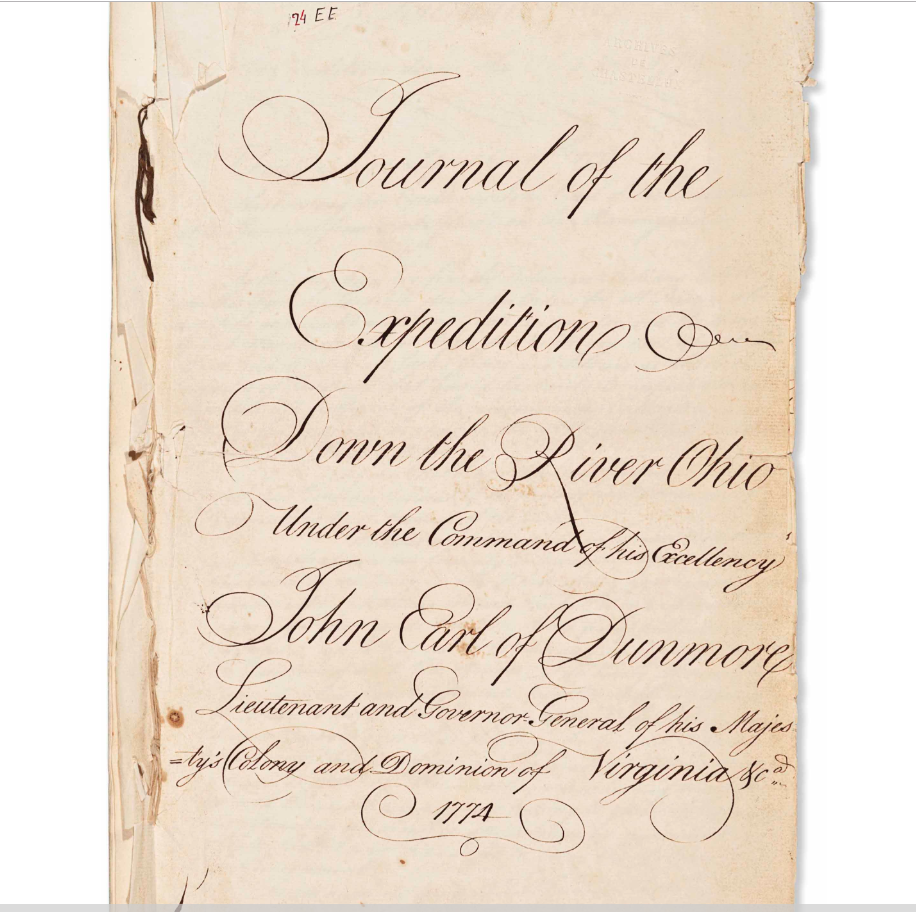
    On Friday morning, I encountered a manuscript no historian had studied before. I was on the C Floor of Firestone in the Rare Books and Special Collections Reading Room, finding it hard to believe my luck. I had asked Gabriel Swift, the Reference Librarian for Special Collections, if he knew of any interesting primary sources connected to my Junior Paper topic, an 1805 Lenape religious revival led by a woman named Beate. In response, he connected me with this new acquisition, a handwritten journal from 1774. Just this year, he explained, the University had purchased it at auction in Paris. And because it was from a private collection, the source was previously unknown to academics.

    “‘Journal of the Expedition down the River Ohio Under the Command of his Excellency John Earl of Dunmore Lieutenant and Governor General of his Majesty’s Colony and Dominion of Virginia 1774.”

    This is just one example of the magic of Princeton’s Department of Rare Books and Special Collections (RBSC).

    According to the RBSC website, “its holdings span five millennia and five continents, and include around 300,000 rare or significant printed works.”

    With just a few simple steps, you can see one of the first “Wanted” posters for John Wilkes Booth, Beethoven’s music manuscripts, or Woodrow Wilson’s love letters. It is one of the most fabulous and underutilized research resources on campus – especially for historians. As undergraduates, we have nearly complete access to the collections. (more…)

  • The Center for Career Development: One of Princeton’s Many Gems

    The Center for Career Development is a great resource for students!

    I have been madly in love with the Center for Career Development for quite some time now, but after asking a few people about their thoughts, I realized that not everyone shares the same sentiment. Some people have had negative experiences, and others have simply never utilized the service. I, on the other hand, have been to the Center for Career Development countless times, and I was lucky enough to be paired with the greatest adviser of all time. Ever since then, I’ve only ever gone to this one adviser. She always makes me feel proud of what I have accomplished so far, and excited for what is to come. Hopefully this post will show you exactly why you should take advantage of this incredible resource!

    (more…)

  • Finding a JP Topic (On Your Own)

    Personally examining the items around a book you’ve found is a great way to find related works on a given subject.

    For many first year and sophomore students, fall break is a true respite from the academic demands of college life. For many juniors and seniors, however, it is a time of simultaneous relief and moderated despair as Princeton’s independent work requirements loom large. This is the position I find myself in. So gather round, friends, it’s time to talk independent work—specifically, how I found a general research area for my first JP. New to the JP game as I am, I feel rather unqualified to offer advice on how to “conquer” it or plan a totally coherent project right from the start. This will not be that kind of post. Rather, I’ll share some thoughts on beginning my own JP research process, which should illuminate some of the methods I used to cut down the uncertainty around my project and to find something like a workable topic. While I hope this is a useful guide for anyone facing the JP, I should note that it will probably be the most applicable to those in departments where fall independent work is not structured around a research seminar.

    (more…)

  • Summer 2019 Cheat Sheet

    Princeton is full of opportunities–it should be easy to plan a cool summer, right?

    Sure it should. But in reality, just thinking of summer 2019 is overwhelming.

    You just finished fall midterms and already everyone is talking about what they want to do next summer. Your inbox is swamped with emails that mention dozens of programs. Campus is littered with posters throwing deadlines around, but it’s nearly impossible to make any sense of it all, especially while managing a Princeton course load!

    If you haven’ t thought about summer yet do not stress. This time last year,  I was still undecided about my major, and trying to simply decide what extra-curriculars to be a part of. And yet, I had a great summer:

    Summer after my first year at Princeton,  through the International Internship Program, I interned in Kathmandu, Nepal at a contemporary art gallery. This was my first time abroad, and I had a phenomenal experience. During my internship, I designed a catalogue, shadowed the gallery’s director,  and even designed/installed my own exhibition. Though the internship was unpaid, my summer was fully funded by Princeton.

    Summer after my first year, I interned at an art gallery in Kathmandu, Nepal through the International Internship Program (IIP).

    The point is, I think its completely unnecessary to start stressing for May in October. So, to calm any nerves and make planning a rocking summer a bit easier, here’s a brief overview of some popular summer ideas for underclass students. Included are deadlines, brief descriptions and testimonials from past students.

    Disclaimer: This is NOT a complete list. Just a list of popular options and those that my friends have explored. Also, these opportunities are not limited to first-year and sophomore students.  Juniors and seniors may also take advantage of some of the programs mentioned below. 

    (more…)

  • How to Pick a Second WWS JP Topic when Your First One Doesn’t Work Out

    Woodrow Wilson building
    Woodrow Wilson building

    If you read my previous post, you’ll remember that I recently went through the process of picking my JP topic. If you’re reading this post, you’ll see that I’m going through this process for a second time after realizing my first topic wasn’t going to work out–my professor told me my topic was too general and not empirical enough. Hearing this was a shock, because I had spent so much time developing my first topic that my enthusiasm and excitement made me blind to the paper’s flaws. However, hearing this negative feedback made me realize I had to take a step back and look at my paper with fresh eyes. (more…)