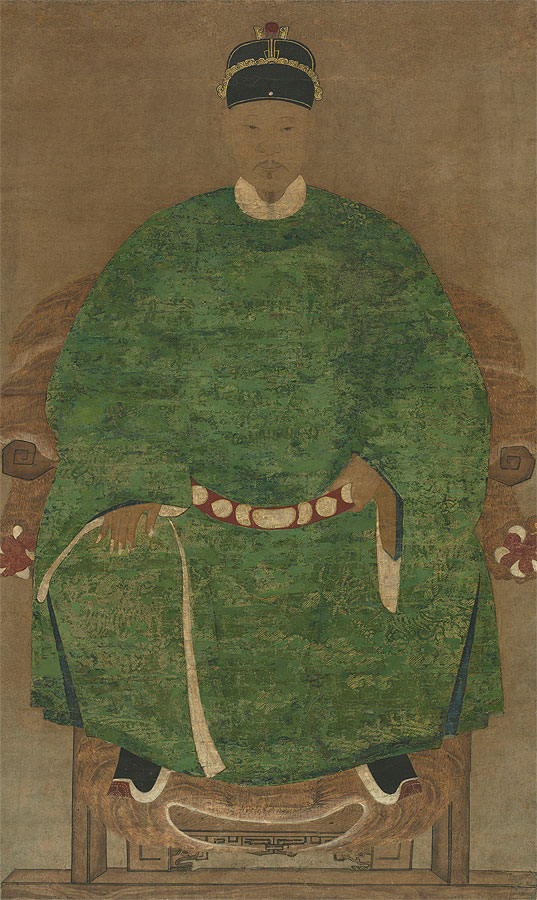
When working with historical sources, particularly secondary sources, one has to consider the levels of mediation that the historical narrative has gone through before it finally reaches the researcher. We all have to use primary and secondary sources in our work. But something often overlooked is the extent to which there are degrees of truth, or what Stephen Colbert famously called “truthiness,” in the sources that we encounter. We learn in English class about the idea of the unreliable narrator. Well, the exact same thing applies when studying history. Except, with history, everyone is unreliable to some degree, as demonstrated by my reading of The Battles of Coxinga.
In a continuation of last year’s seasonal series, this winter, each PCUR will interview a Princeton alumnus from their home department about his/her experience writing a senior thesis. In Looking Back on Undergraduate Research: Alumni Perspectives, the alumni reveal how conducting independent research at Princeton influenced them academically, professionally and personally. Here, Taylor shares her interview.
~~~~~
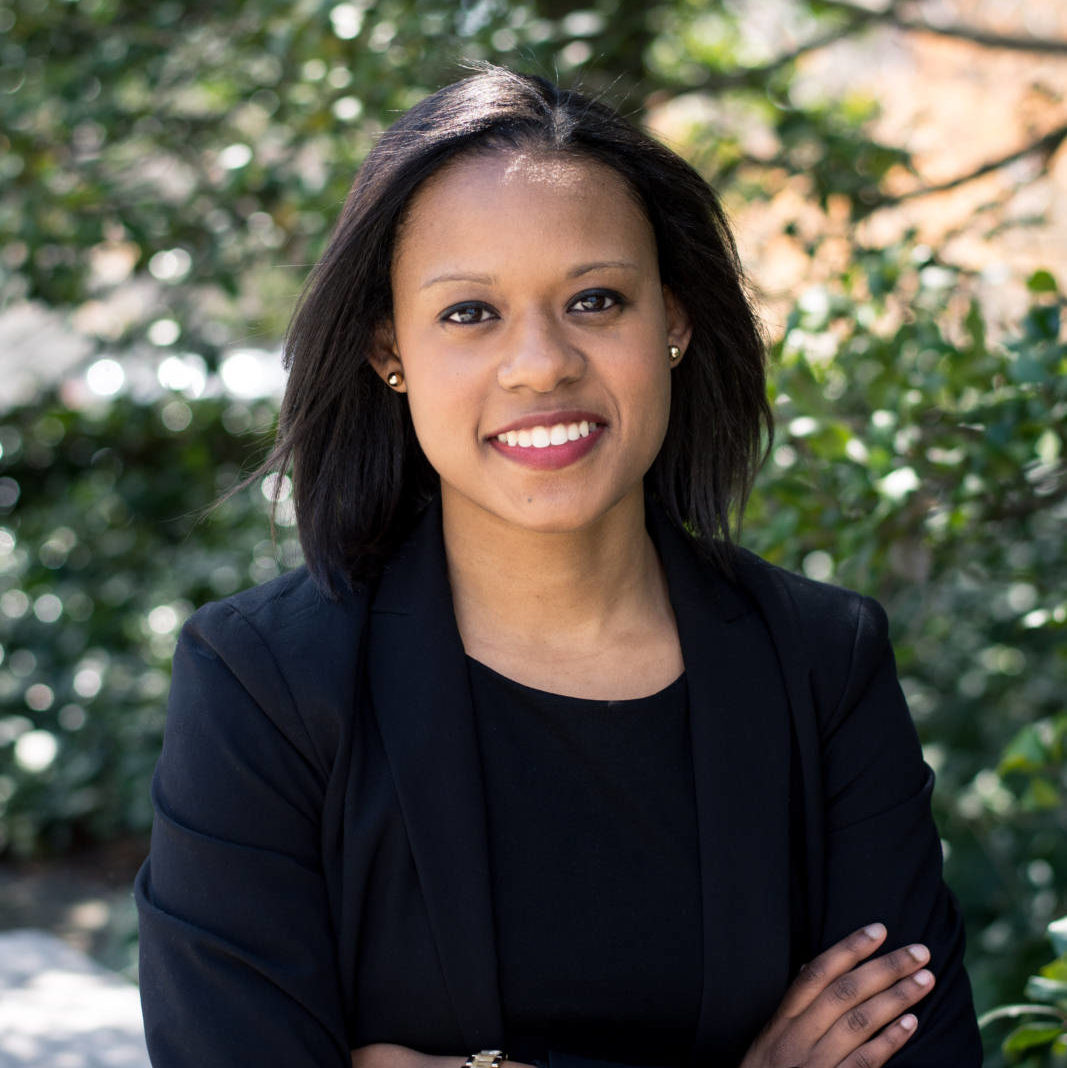
Teri Tillman ’16, now pursing a law degree at Cornell University!
Teri Tillman graduated in 2016 with a degree in Sociology and a certificate in American Studies. Now in her second year at Cornell Law School, she’s the academic chair for Cornell’s Black Law Students Association, the co-president for Cornell’s Sports & Entertainment Law Society, as well as a student associate in Cornell’s Labor Law Clinic. During her time at Princeton, her thesis helped her develop the confidence to conquer any large assignment, and this determination has carried over into her graduate work. Here’s what she had to say about her experience with independent work:
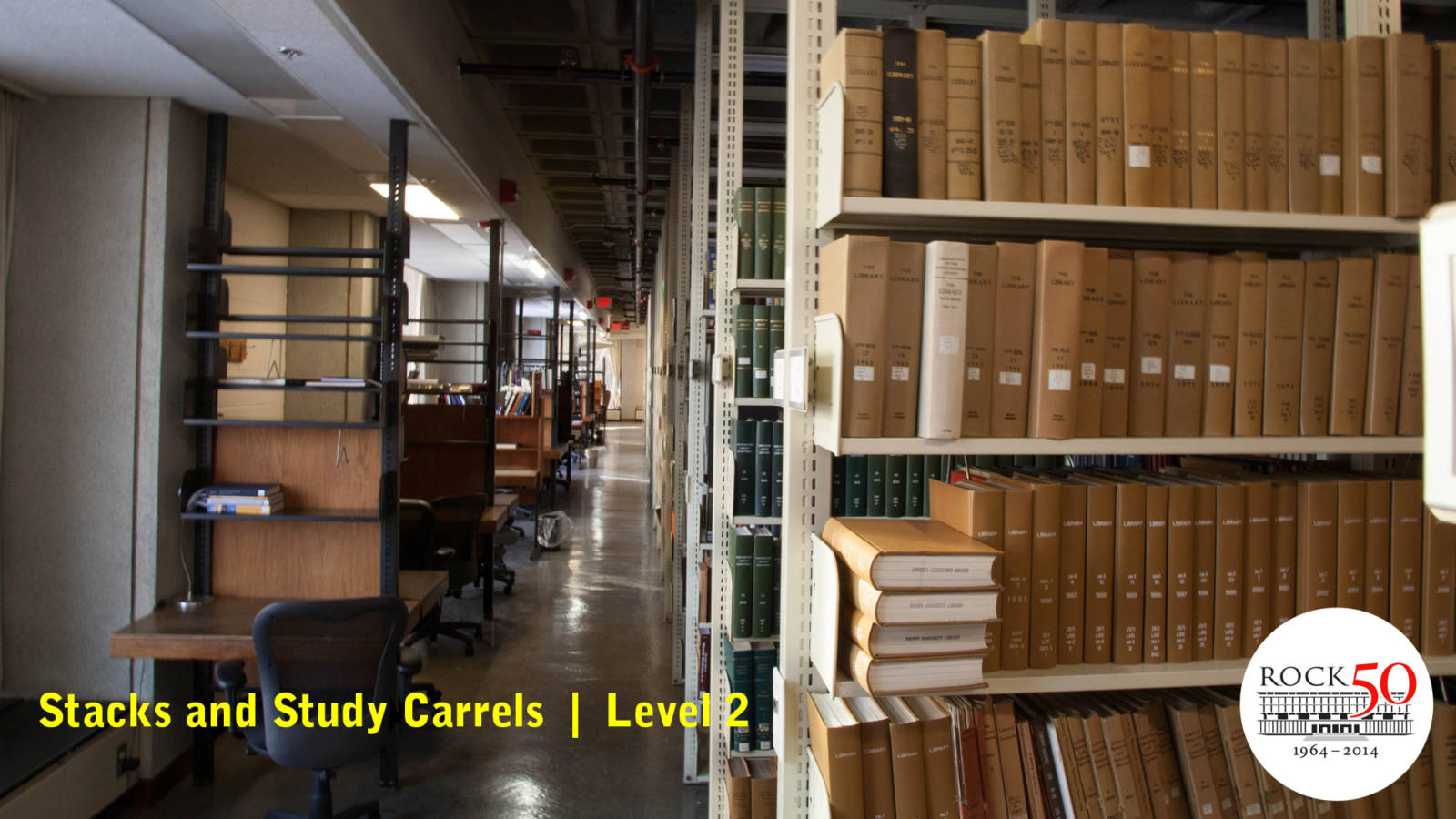
Borrow Direct is my favorite feature of the Princeton library system. If you’re ever hunting for a book and it’s not available at Princeton, the Borrow Direct program allows you to order the book free of charge from another university library. A few days after your order, you receive an email that your book has arrived, and you pick it up from the front desk – where it is wrapped in paper and marked with your name. It’s like Hannukah, but all the time.
The joy of Borrow Direct isn’t limited to campus. Over the summer, when I needed to do research at Brown University’s library, the Borrow Direct system gave me unlimited access to the library there and enabled me to check out books with nothing more than my PUID. I was even allowed to reserve a carrel for the entire summer — which I did.
In a continuation of last year’s seasonal series, this winter, each PCUR will interview a Princeton alumnus from their home department about his/her experience writing a senior thesis. In Looking Back on Undergraduate Research: Alumni Perspectives, the alumni reveal how conducting independent research at Princeton influenced them academically, professionally, and personally. Here, Alexandra shares her interview.
~~~~~~
As part of our Seasonal Series, I had the opportunity to interview Masi Yamada ’94, a Mechanical and Aerospace Engineer (MAE). He is currently working as a Managing Director at J.P. Morgan Chase and offered insight about studying MAE and transferring that into the world of finance.
A photo of Masi Yamada
AK: Why did you choose to major in MAE?
MY: A lot of it was the generation I grew up in—as kids, we grew up seeing Star Wars and all those sorts of things; the space shuttle had been developed and there were a lot of engineering and economic resources being put towards defense and aerospace. The Cold War was still going on, so there was an ongoing buildup of arms and technology against the Russians. Back then, aerospace was viewed much like the startup and technology field is viewed now—that was where all the interesting tech jobs were.
I grew up thinking that I wanted to work at NASA—it was always my intention to go into the aerospace industry—but then reality set in. The Berlin Wall collapsed in 1989 and by the time we had graduated in ‘94, the aerospace and defense industry had been downsized and NASA’s budget was being cut. A few of us went on to graduate school, but the majority of us followed the classic Princeton path, going into finance and consulting because those were the companies that were recruiting very heavily at the time.
There’s a lot of information to remember for finals– learn how to keep it all straight.
With finals season approaching, a sense of dread sets in every time I take notes in lecture—how am I supposed to remember all of this information at once? Often the prospect of beginning the study process is so overwhelming that organizing all the information seems almost impossible.
As I mentioned in one of my previous posts, I’ve realized that a lot of my psychology research and coursework have provided many useful tips to make studying as effective and efficient as possible. I have compiled a few here to help you get started and hopefully feel more comfortable diving into studying when reading period comes around.
In a continuation of last year’s seasonal series, this winter, each PCUR will interview a Princeton alumnus from their home department about his/her experience writing a senior thesis. In Looking Back on Undergraduate Research: Alumni Perspectives, the alumni reveal how conducting independent research at Princeton influenced them academically, professionally, and personally. Here, Nicholas shares his interview.
~~~~~~
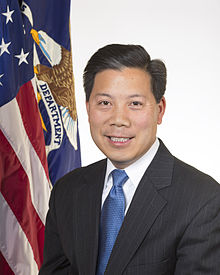
Chris Lu ’88 was a member of the Obama administration, where he served as a Deputy Secretary of Labor, White House Cabinet Secretary, and Assistant to the President. He is now a Senior Strategy Advisor at FiscalNote and an At-Large Member of the Democratic National Committee. He also served as the senior news editor for the Daily Princetonian during his time at Princeton. With a long career in public service, he has some useful insights for those seeking to pursue careers in public affairs. I had the opportunity to speak with Chris about his experience writing a senior thesis in the Woodrow Wilson School and the enduring impact that policy research has had on his career. Here’s what he had to say:
Your choice of concentration will definitely impact your precept experience–another reason to make this choice carefully!
My fellow A.B. sophomores, this post is directed at you (not my already-declared B.S.E friends). Whether you feel like your time at Princeton has dragged on or flown by, we now find ourselves at a crossroads. Next semester, we commit ourselves to something in a way that we have never quite done before: we declare a concentration.
Sophomores are generally in one of several stages with regard to major declaration by this point in the year. Some are dead set on a particular concentration. Others are relatively confident about which department they’ll choose, with some degree of uncertainty. Others still are rather split between or amongst several departments. And finally, a portion of the class might have very little idea about what they’ll choose in April. I personally find myself somewhere in between the second and third groups above. I’m deciding between a concentration that is comfortable and familiar to me, and one that would present more of an academic stretch–I haven’t taken many classes in the department, and in general, know less about the subject.
Don’t tell your mom I told you this, but the Funding Fairy isn’t real. And it took me until this week to realize it.
The Funding Fairy isn’t as real as I thought.
Since before even arriving on campus, I’ve heard story after story of Princeton’s generosity: the fully-funded research project, the all-expenses-paid trip to Cuba, the paid summer fellowship. Dazzled by these stories, I pictured the University as a Funding Fairy with a magic wand (or a pushover parent in a toy store – ready to pull out their wallet whenever I pointed at something I wanted). Unfortunately, however, this Funding Fairy is not real; funding is not awarded nearly as liberally as I imagined.
Earlier this week, I decided I wanted to spend winter break translating Yiddish poetry in archives in New York City. I’ve been itching to study Yiddish for months, but, because Princeton doesn’t offer a Yiddish program (yet), I’ve had to limit my Yiddish projects to vacations. Shortly after thinking of my poetry translation idea, I shot an email to the Lewis Center for the Arts asking for a small bit of funding for the project. A few hours later, I received the response: “We don’t have winter funding.” And like a child discovering the coin under her pillow was no fairy gift, I realized securing funding is more complicated than just asking for it. And I’m actually grateful for that.
We’ve all been there… staring at an incomplete (or still blank) writing assignment that’s due far too soon and having absolutely no idea what to write. More often than not, the best-case scenario is that you stare at your materials and reread your work until something semi-coherent trickles out of your bogged up brain. The worst? You suddenly find yourself on Facebook, having scrolled so far down your newsfeed that you’re in danger of liking something from embarrassingly long ago.
While everyone you meet will give you a different way to beat the dreaded writer’s block, I’d like to share my favorite method with you:
Squash.
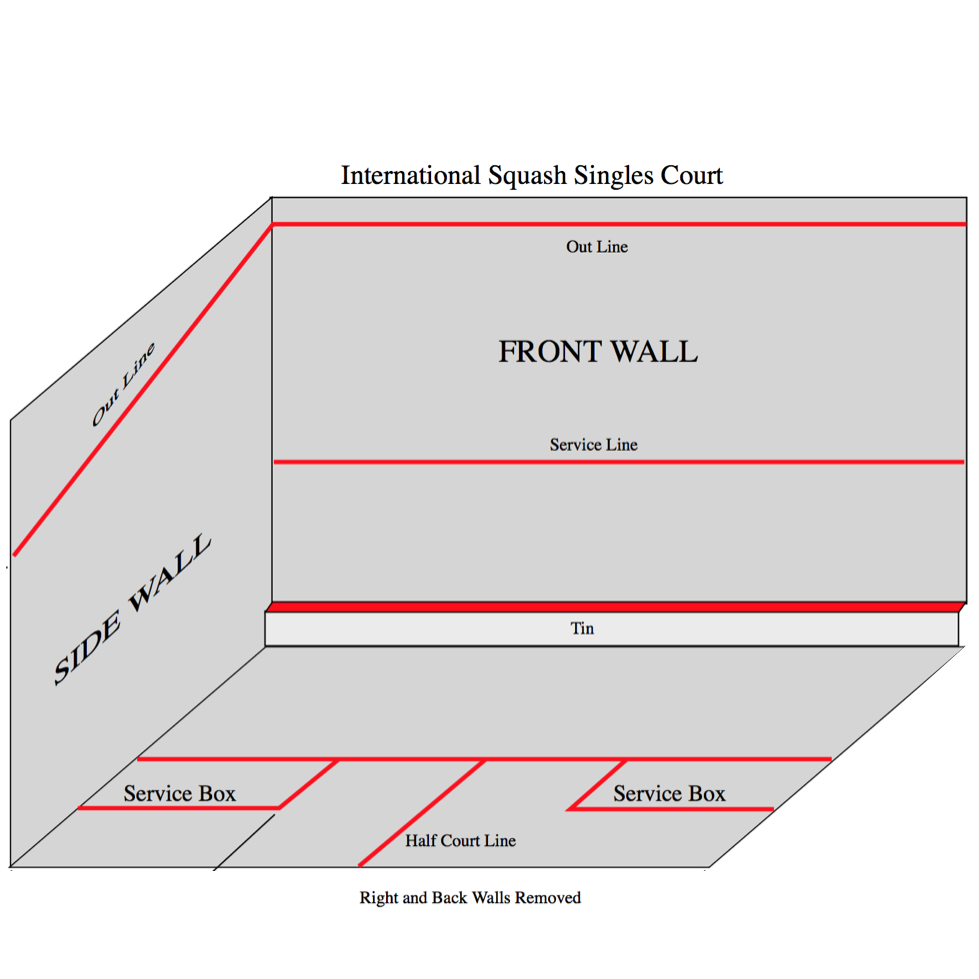
No, not this type of squash….A drawing of a squash court.
The Mary W. George Freshman Research Conference is held every semester for freshman to present on their R3 research.
This past week I was invited to speak at the Mary W. George Freshman Research Conference. This conference is an opportunity for students to share their R3–the final open-ended research paper for Freshman Writing Seminar students– with a wider audience. But how do you go about converting a 10 to 15-page paper into just a 10-minute talk? How do you condense the intricacies of a month’s worth of research and analysis into just 10 short minutes?
This was the challenge I faced when I was first offered the opportunity to present my R3. On top of that, since I took my Writing Seminar last spring, I hadn’t even read the paper in over five months. But with guidance from my writing seminar professor and the Writing Center, I learned how to adapt such a detailed, academic argument for a more popular audience. Ultimately, through the process, I realized that this gap in time actually helped rather than hurt my development of an accessible presentation.