As spring semester gradually picks up the pace, there are many things to think about depending on your class year. As a senior, you might be thinking about your thesis deadline that is quickly approaching. Juniors might be focused on their Junior Papers. First-year students are preoccupied with mastering a new semester they’ve never experienced. Sophomores have a whole different challenge to tackle: major declaration (check out related posts here and here).
Author:
-
Research Support Beyond Your Adviser
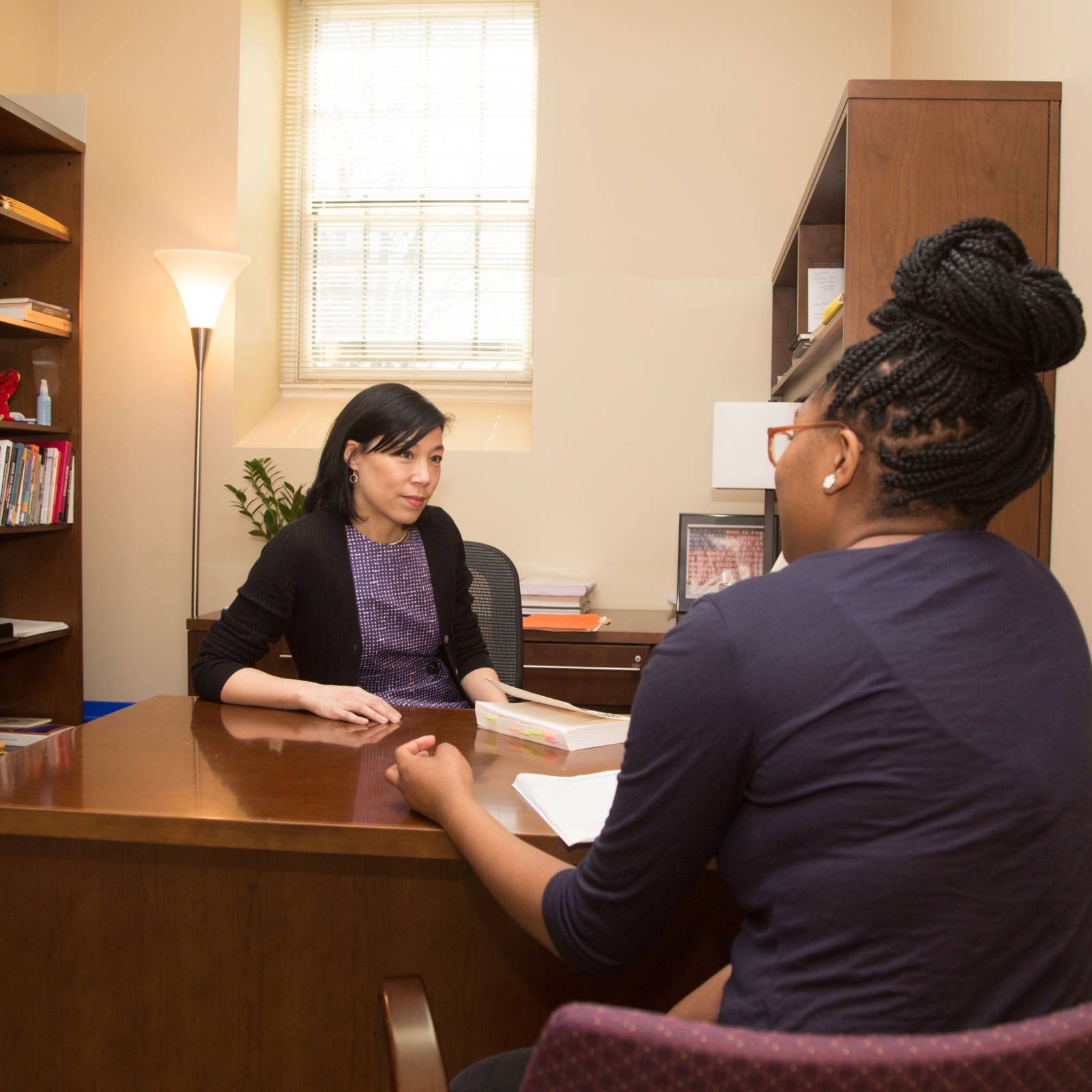
I love my spring JP adviser. For one, he knows the biggest challenge of independent work is avoiding procrastination. As such, he’s preemptively strict with me on deadlines—pushing me to work on my JP for twenty minutes every day, and to meet with him at least twice a month to report on my progress. When we meet, he asks difficult questions, and provides incisive feedback.
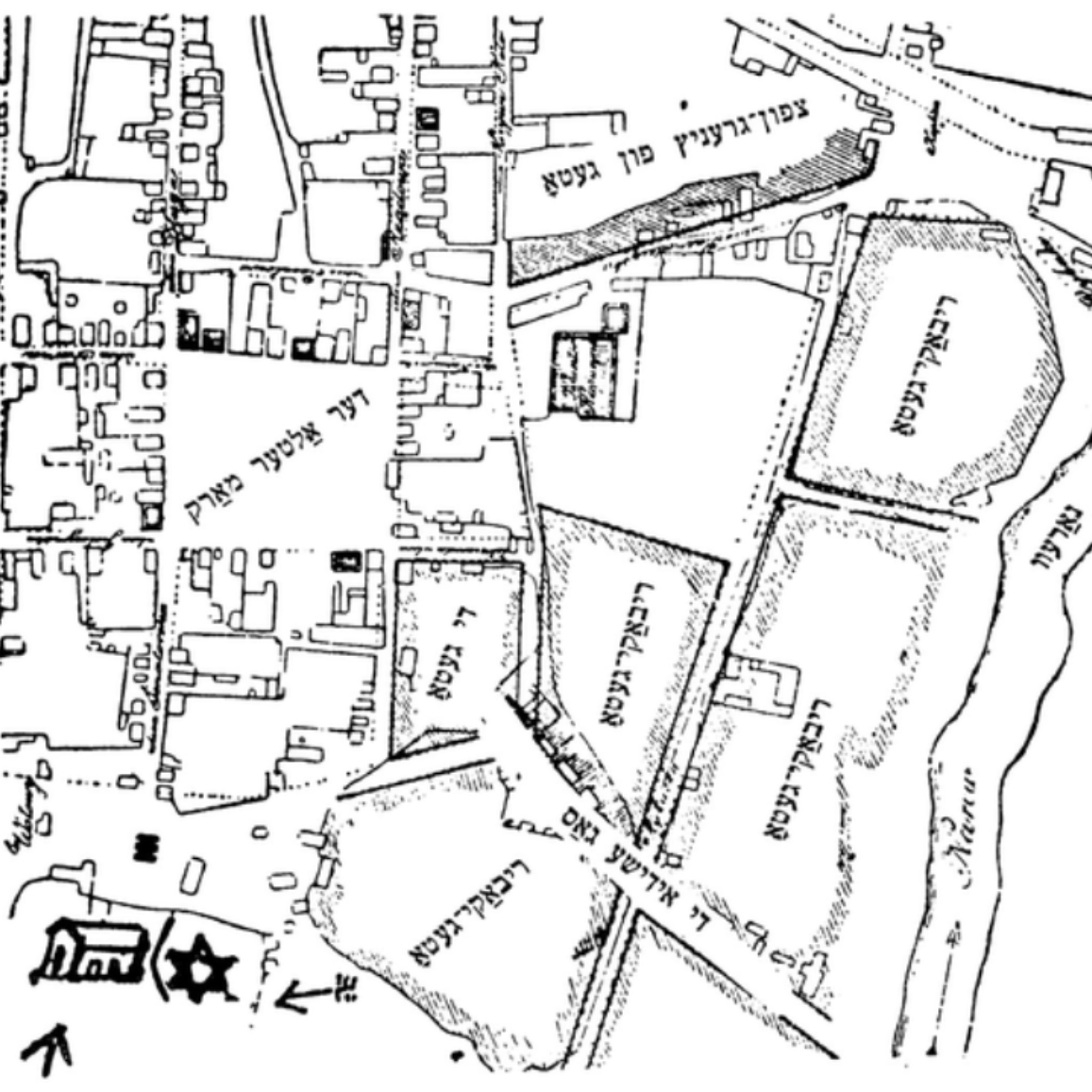
However, like any adviser, there is a limit to what he can provide. My JP project—which focuses on a series of maps produced in twentieth-century Yiddish memorial books— is actually quite distant from his area of expertise. He researches early modern Europe, a period nearly five hundred years before my topic’s. Additionally, I want my JP to engage with scholarship outside of the conventional boundaries of my discipline—particularly memory studies and theories of urbanism.
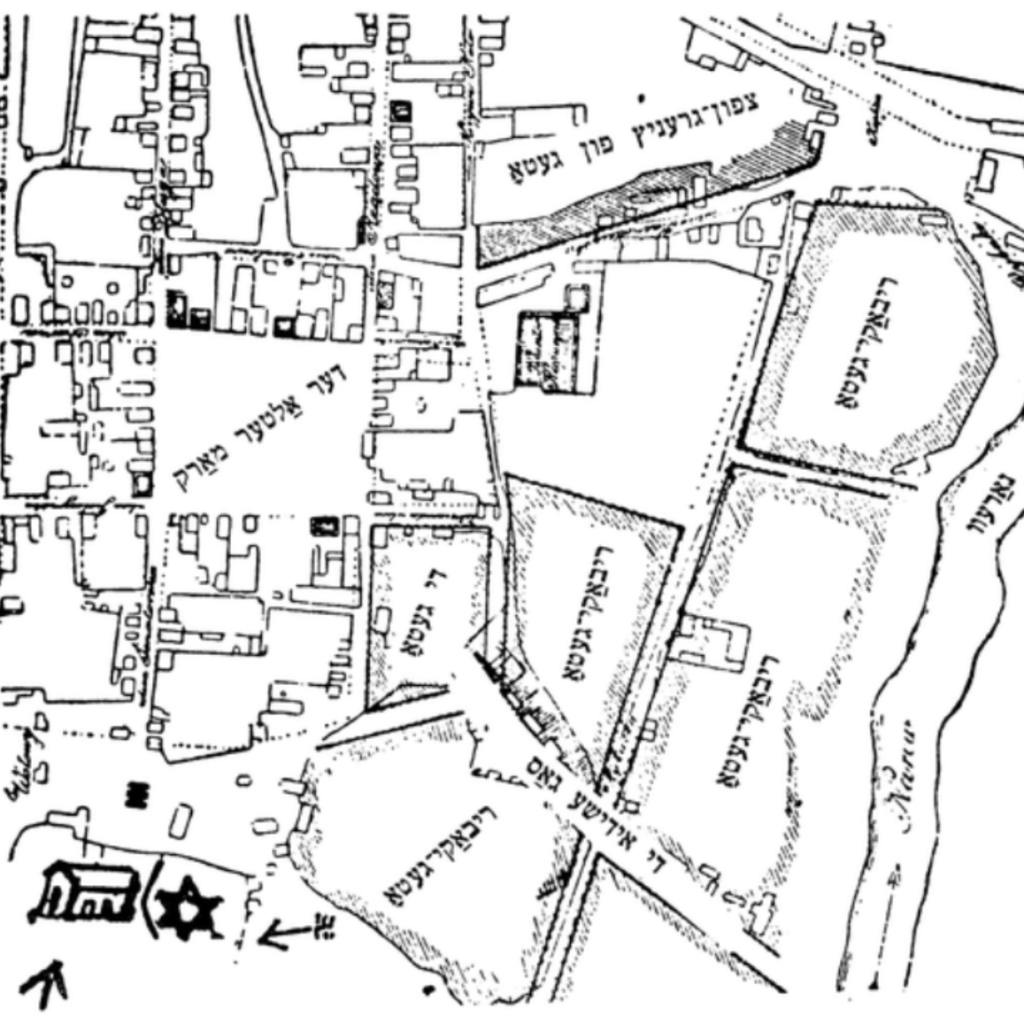
My spring JP focuses on urban maps produced by Holocaust survivors in the immediate postwar years, like this one of Lomza, a town in northeastern Poland. But at a university like Princeton, a mismatch between your independent research and your adviser’s area of expertise is by no means a dead end. Because of the diversity of Princeton’s academic program, there are almost definitely people on campus—whether graduate students or faculty—who can supplement your adviser’s mentorship.
-
Notes on a New Semester
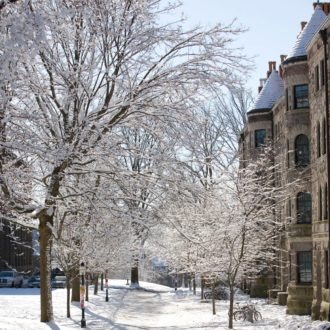
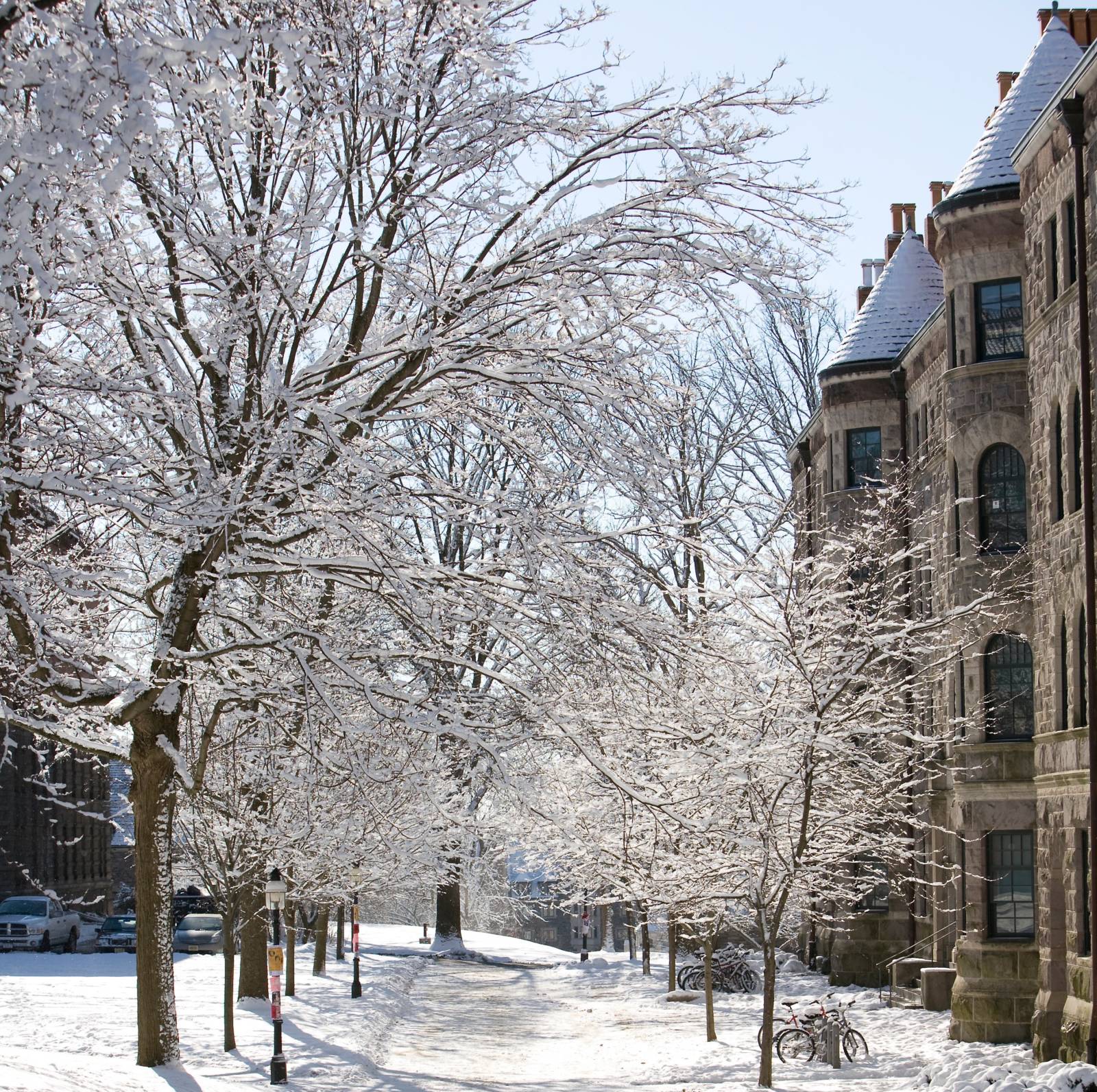
The winter months (and wintry weather!) at Princeton present the opportunity to get organized for the upcoming spring semester. Welcome back, my fellow Princetonians! I hope that this finds you refreshed and rejuvenated as we begin the second semester. And if it doesn’t, fear not: this time of year has its own challenges, including bicker (for students who opt to join selective eating clubs), course shopping, and independent work deadlines. Thankfully, this post is aimed at a wide audience. In it, I will share a few reflections on the start of a new semester, which I hope will be of use both to the rested-and-ready as well as to the I-never-had-a-breakers among us. So, if you’re interested in beginning of the semester musings from someone who has now been through the process six times, read on! (more…)
-
The Writing Center as an Independent Work Resource
If you’re caught up on some of my previous posts, you’ll remember that I wrote my fall Junior Paper about shackling pregnant inmates in New York women’s prisons after the 2009 anti-shackling bill. I recently submitted my Junior Paper at the beginning of January, and it’s safe to say that it was a wild ride. To name a few challenges: I had to completely change my topic, I navigated tough interviews, and I spent a LOT of time editing my essay. Although I wrote a post about how to work efficiently during winter break, I pretty much ignored all of my own advice and ended up working on my JP each night, making my winter break anything but carefree and relaxing. However, I came back to school with a paper I was proud of.
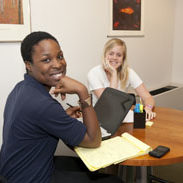
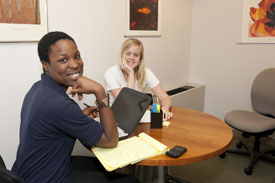
The Writing Center is an incredible resource to utilize for independent work But the challenges did not stop there. This JP was my first encounter with a substantial piece of independent work, and it included a whole lot of revisions after I had completed my first full draft. After reading through the paper, I scheduled a phone conference with my professor that left me with a plethora of edits to make in a very short amount of time. I made the changes, going through the paper with a fine-toothed comb, and the day after I got back to Princeton, I went to my first-ever appointment at the Writing Center.
-
Asking Your Professors for Feedback
After late hours on the B-floor and that last-minute citation dash, you never want to see that Dean’s Date paper again. I know the feeling. Over the past few years, I’ve developed the terrible habit of sending in my papers before reading them over – in a short-sighted attempt to avoid confronting my mistakes. But sometimes, as I’ve learned, the final draft can offer the most important learning opportunities.

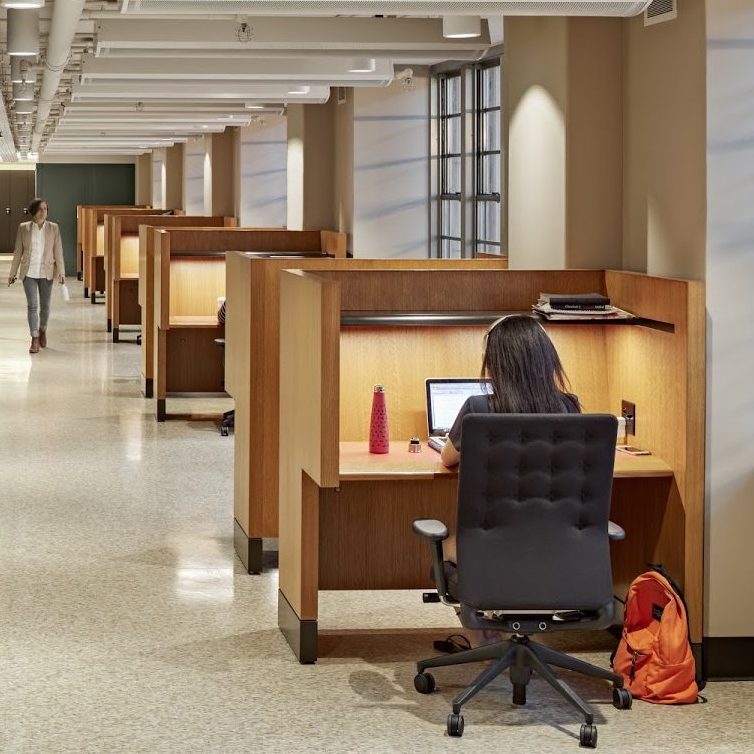
It can be hard to revisit your final work. Sometimes I even avoid my Dean’s Date Firestone carrel for a few weeks after Dean’s Date. In my experience, very few professors share feedback on final papers beyond the letter grade. And there is something satisfyingly simple about the “grading machine” – send a paper in one end and receive a letter grade on the other. However, this process obscures some of the more personal and pedagogical elements of an instructor’s grading.
Professors dedicate a significant chunk of their time each semester to reviewing and grading students’ work. They’re expert readers, writers, and researchers – you don’t want to miss this opportunity to receive their feedback. Each professor’s approach to feedback is different, but I can almost guarantee that they’ll have something insightful to say about your final project.
-
Working With Books in Preparation for Finals

Our friend, the humble bookshelf. I find that browsing shelves sparks my curiosity, causing me to pick up books that I might not even find in a standard keyword search. Books are, in many ways, at the center of the college experience—particularly for my fellow students of the humanities and social sciences. At Princeton in particular, books are both the subject of many conversations and the object of much loathing (“Can you believe Professor X assigned us a whole book on top of next week’s reading?”). So, inspired by my own recent work with books in preparation for reading period and finals, I thought I’d use my post this week to discuss some ways to digest and analyze these valuable sources of information. (more…)
-
How to Incorporate an Interview into a Class Project
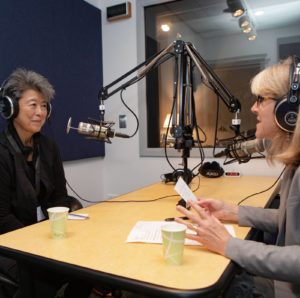
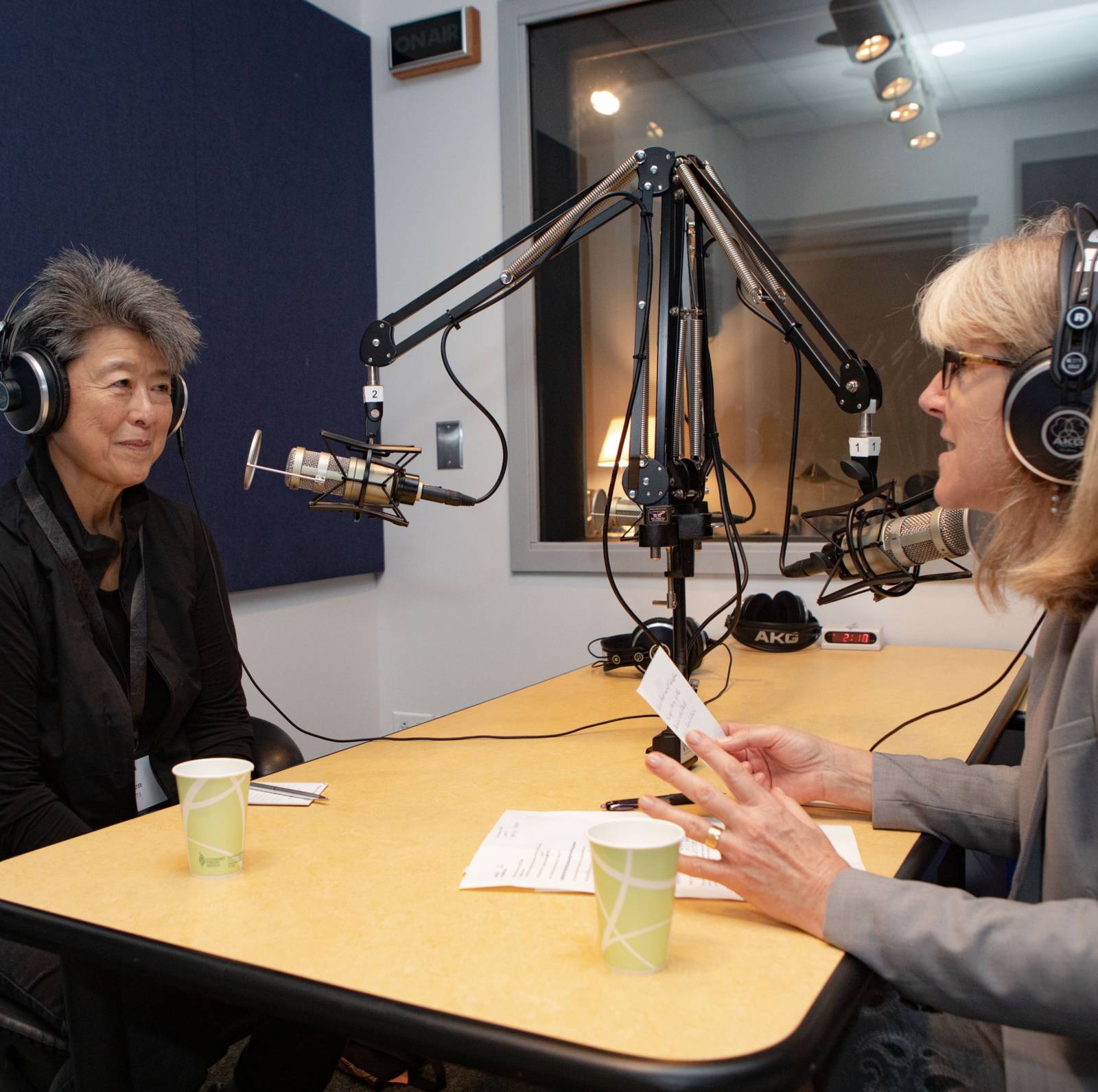
You might not have a fancy podcast studio such as this at your disposal, but don’t let that hold you back from conducting an interview! All you really need is a willing interviewee, a phone (to record), and a flexible list of thoughtful questions. When we think of research, we tend to picture someone sitting in the library surrounded by stacks of books. While it’s true that books (and textual materials accessed via the web) remain incredibly important to the research process, not everything research-worthy comes in book form. Indeed, for certain types of research, such as ethnography, journalism, and oral history, going out into the broader world outside the library doors is essential. This was the case for me recently as I worked on a podcast for a History of Science class; an interview with a molecular biology professor about their work on the Human Genome Project was central to my endeavor. So, in light of this recent experience and in the spirit of diversifying the types of sources we use as researchers, I will share in this post some thoughts on how to incorporate an interview into a class project or research paper. (more…)
-
Qualitative Research: The Interview
If you are caught up on my latest posts, you will remember that I have had some ups and downs in my research process for my Junior Paper. I think it is safe to assume that most students experience difficulties with their JPs. However, the difficulties differ from student to student.
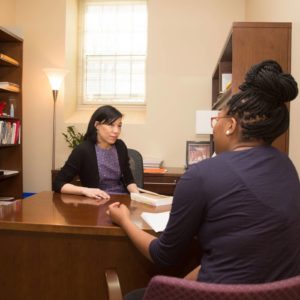
Interviewing experts is a great source of information, but sometimes it can be challenging! In the Woodrow Wilson School, you choose–or, sometimes, it is chosen for you if you are enrolled in a seminar that specifically focuses on quantitative or qualitative research–whether you would like to do a quantitative or qualitative analysis of your JP topic. While most of the quantitative students are focusing on coding and analyzing existing datasets, the qualitative researchers analyze literature, conduct interviews, and gather information on their own. My biggest challenge so far has been the interviews.
-
Energize Your Learning: Academic Conferences on Campus
Want to explore something new, with absolutely no accountability? To meet a famous academic whose work you’ve used in class? To spend time with your favorite graduate students and professors outside of class? Try attending an academic conference at Princeton.
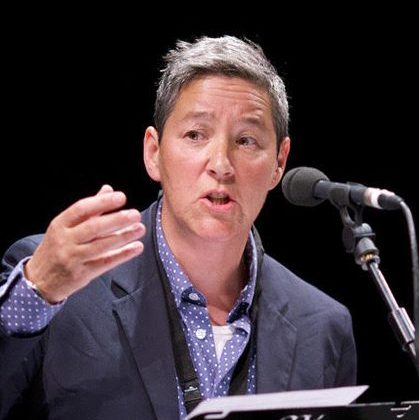
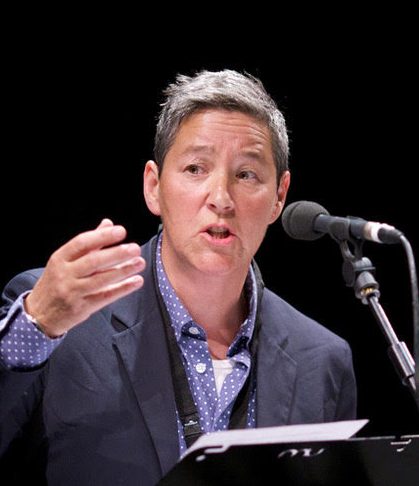
Columbia University professor Jack Halberstam recently delivered an unforgettable lecture at the Reading Matters conference on campus. At any given time, at least one Princeton department or campus group is probably hosting a conference. Typically, these multi-day events gather leading academics, activists, and thinkers from around the world to discuss a particular issue or theme. Despite the significant cost of these conferences (and the tables full of free food), they are almost always free of charge and open to the public. Regardless of your department or academic interests, there is definitely a conference somewhere, sometime that will interest you.
Yes, it can be hard to drag ourselves to yet another hour of lectures and academic discussion – especially after a long day or week of classes. But conference presentations are often energizing in a way that classes aren’t. Presenters typically share their own work and opinions, rather than summarizing and explaining others’. And because they’re surrounded by their colleagues (and intellectual rivals), they often work to present their material in an engaging, memorable way. Many of the academic moments I remember most from the past few years took place at conference presentations.
Just a few weeks ago, I attended one of the best lectures I’ve ever heard at the Department of Comparative Literature’s Reading Matters conference. On Saturday evening, Professor Jack Halberstam from Columbia University delivered a lecture titled “Exit Routes: On Dereliction and Destitution.” He walked the audience through examples of “anarchitecture” (anarchist architecture), including a fascinating little-known feminist film, “Times Square,” about two rebellious women in 1980s New York. Weeks later, my friends and I are still discussing the talk (and rewatching the trailer for Times Square).
The nice thing about conferences – unlike classes – is you don’t have to go for the whole time. You can just pick your most favorite panel or lecture and attend for as long as you can! Typically, conference talks don’t last longer than an hour – and it’s completely okay to leave once the Q&A starts (I almost always do). I also try to sit in the back so it’s easy to leave early if I have to.
To find out about the conferences on campus, make sure to check your department’s bulletin boards and listservs regularly! You can also ask your professors or graduate student friends to send conference information your way when they come across them. The Princeton Events calendar features many campus conferences as well.
–Rafi Lehmann, Social Sciences Correspondent
-
Art as a Way of Knowing: Integrating the Art Museum in Your Research and Studies
If you were to take a tour of Princeton’s campus, your tour guide would point out various things that are unique to Princeton’s campus. For example, we have the third largest university chapel in the world, and Frist Campus Center used to be Einstein’s laboratory. But, something that is incredibly special about Princeton’s campus–and I feel we don’t talk enough about –is the fact that Princeton has an amazing art museum directly on campus.
The Princeton University Art Museum (PUAM), whose collections hold works by artists ranging from Cézanne to Basquiat, is a great spot for tourists and community members to visit. However, it is arguably an even greater spot for students.
This week I share a little bit about my experiences at the art museum and interview Juliana Ochs Dweck, the Andrew W. Mellon Curator of Academic Engagement, to talk about the different ways the PUAM can serve as a resource for research and studies at Princeton. After all, as Dweck notes about the university museum, “the whole point is to be a teaching museum.”